- 02/02/2026
- MyFinanceGyan
- 17 Views
- 2 Likes
- Tax
Significance of PAN Card in Income Tax and Business
In India’s financial and compliance ecosystem, the Permanent Account Number (PAN) card plays a vital role as a unique financial identity. Whether an individual earns income, files tax returns, invests money, or runs a business, PAN acts as the central link connecting all financial and tax-related activities. Over the years, its scope has expanded beyond taxation to become a cornerstone of transparency, accountability, and regulatory compliance.
This blog explains the significance of the PAN card in income tax and business and why it is indispensable for individuals, professionals, and organisations.
What Is a PAN Card?
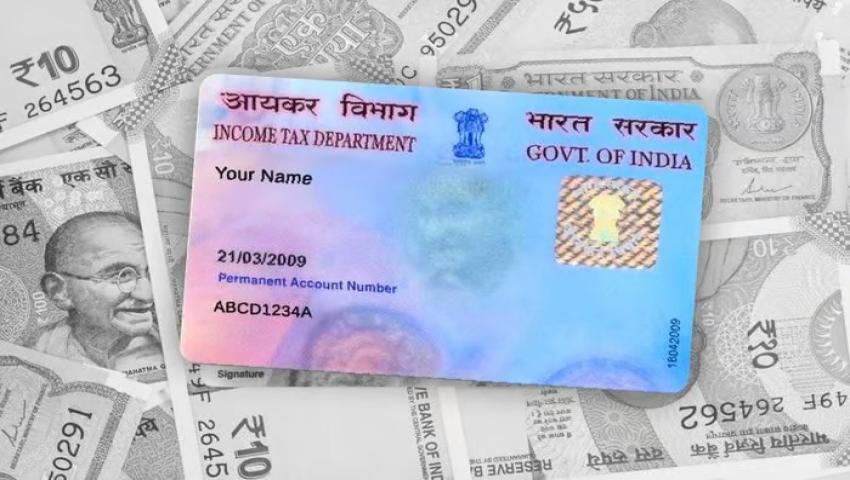
A PAN card is a ten-character alphanumeric identification number issued by the Income Tax Department of India. It is unique to every PAN holder and remains valid for a lifetime, regardless of changes in address, job, or business structure.
The primary objective of PAN is to track financial transactions, link them to a single entity, and curb tax evasion by creating a consolidated financial record.
Importance of PAN Card in Income Tax:
1. PAN as a Taxpayer Identification Number:
PAN serves as the primary identification number for taxpayers in India. All major income tax activities are linked to it, including:
- Filing income tax returns
- Payment of advance tax and self-assessment tax
- Communication with the Income Tax Department
Without a PAN card, individuals and entities cannot legally comply with income tax regulations.
2. Mandatory for Filing Income Tax Returns:
Quoting PAN is compulsory for filing income tax returns in most cases. It enables the Income Tax Department to:
- Track income declared by taxpayers
- Verify deductions, exemptions, and tax credits
- Match reported income with third-party transaction data
Failure to quote PAN may lead to rejection of returns or higher rates of TDS.
3. Tracking of TDS and Tax Credits:
All Tax Deducted at Source (TDS) entries are linked to the PAN of the deductee. PAN ensures that:
- TDS deducted by employers, banks, or clients reflects correctly in Form 26AS
- Tax credits are accurately recorded
- Refunds are processed without mismatches
Incorrect or missing PAN details often result in discrepancies, delays, or tax notices.
4. Prevention of Tax Evasion:
PAN helps tax authorities monitor high-value transactions such as:
- Purchase or sale of immovable property
- Investments in shares and mutual funds
- Large cash deposits or withdrawals
- Foreign remittances
Linking these transactions to PAN reduces tax evasion and strengthens financial transparency.
Significance of PAN Card in Business:
1. Essential for Business Registration:
PAN is mandatory for registering most forms of businesses in India, including:
- Sole proprietorships
- Partnership firms
- Limited Liability Partnerships (LLPs)
- Private and public limited companies
Without PAN, businesses cannot complete statutory registrations or operate legally.
2. Required for Opening Business Bank Accounts:
To open a current account in the name of a business, PAN is compulsory. Banks rely on PAN to:
- Verify the identity of the business entity
- Monitor financial transactions
- Comply with KYC and anti-money laundering norms
This makes PAN the foundation of business banking.
3. PAN and GST Registration:
PAN is a prerequisite for GST registration. The Goods and Services Tax Identification Number (GSTIN) is derived from the PAN of the business entity. This ensures:
- Uniform identification across tax systems
- Seamless data sharing between GST and income tax departments
- Improved compliance and audit tracking
Without PAN, GST registration is not possible.
4. Mandatory for TDS and TCS Compliance:
Businesses are required to quote PAN while:
- Filing TDS and TCS returns
- Issuing Form 16 and Form 16A
- Making payments to vendors, contractors, and professionals
Correct PAN usage ensures accurate reporting and avoids penalties and notices.
5. PAN in Business Transactions and Contracts:
PAN is often required in commercial agreements, tenders, and government contracts. It helps to:
- Establish the credibility of the business
- Ensure transparency in financial dealings
- Meet statutory and regulatory requirements
Many corporate clients and government bodies refuse to transact with entities that do not possess a valid PAN.
PAN Card and High-Value Financial Transactions:
PAN plays a crucial role in monitoring high-value transactions, including:
- Purchase or sale of property
- Trading in shares, mutual funds, and securities
- Opening demat and trading accounts
- Cash transactions beyond prescribed limits
Quoting PAN creates a clear audit trail and promotes financial discipline.
Consequences of Not Having or Quoting PAN:
Failure to obtain or quote PAN can lead to several consequences, such as:
- Higher TDS deductions
- Inability to file income tax returns
- Difficulty in opening bank or demat accounts
- Non-compliance with business laws
- Delays in refunds, approvals, and registrations
For businesses, absence of PAN can disrupt operations and damage credibility.
PAN Card in the Digital Compliance Era:
With the introduction of digital platforms such as e-filing, Annual Information Statement (AIS), and Form 26AS, PAN has become the backbone of India’s digital compliance system. Almost every financial activity is electronically linked to PAN, enabling efficient monitoring, faster processing, and greater transparency.
Conclusion:
The PAN card is much more than an identification document. It is a critical instrument for income tax compliance, financial transparency, and smooth business operations. From filing tax returns and claiming refunds to registering businesses and conducting high-value transactions, PAN occupies a central place in India’s regulatory framework.
For individuals, professionals, and business owners, holding a valid PAN card and quoting it correctly is not optional—it is essential for long-term financial security and legal compliance.
Disclaimer: This article is for general informational purposes only and does not constitute legal, tax, or professional advice; readers are advised to consult a qualified tax professional for guidance specific to their situation.