

SEP IRA Explained: A Retirement Plan for Self-Employed Americans and Small-Business Owners
A SEP is a retirement plan that allows an employer to make contributions to traditional SEP-IRAs established for eligible employees. Self-employed people can also establish a SEP for themselves.

Best Investment Options in the USA for Beginners
Stocks, ETFs, mutual funds, bonds, 401(k)s, IRAs, Treasury securities and other investment choices can make it difficult for a beginner to know where to start. The best investment option for you depends on your financial goal, time horizon, risk tolerance, income and how quickly you may need access to the money.
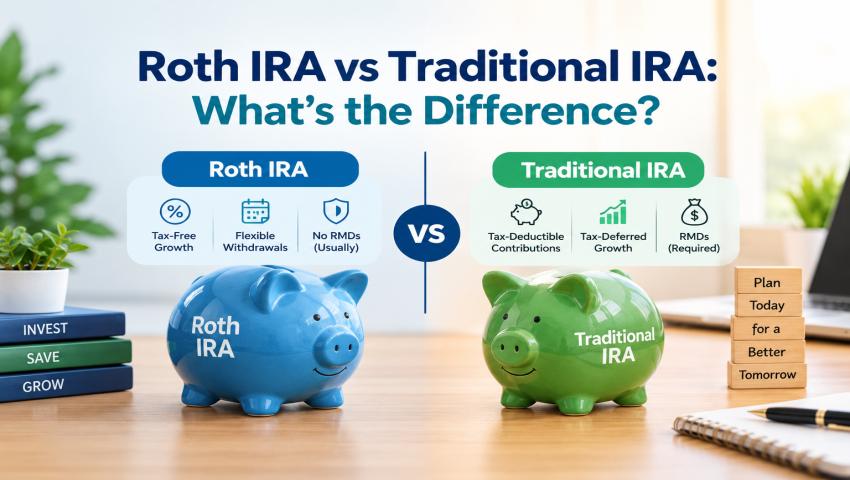
Roth IRA vs Traditional IRA: What’s the Difference?
IRA stands for Individual Retirement Arrangement, commonly called an Individual Retirement Account. It is a retirement account that individuals can open separately from an employer-sponsored retirement plan such as a 401(k).

401(k) vs IRA: Which Retirement Account Is Better?
A 401(k) is an employer-sponsored retirement savings plan. If your company offers one, you can generally contribute money from your paycheck into the account and invest those contributions. Many employers also offer a company match. For example, an employer may match a percentage of what you contribute, subject to the plan's rules and limits.

How to Start Investing in the USA? A Beginner’s Guide
Investing can be one of the most effective ways to build long-term wealth, but getting started can feel confusing if you are new to the financial markets. With thousands of stocks, mutual funds, ETFs, retirement accounts and investment platforms available in the USA, beginners often wonder where to start.

Long-Term Investing vs Trading: Which One Is Better for You?
Long-term investing means buying shares, mutual funds, ETFs or other investments with the intention of holding them for several years. The investor generally expects the investment to grow over time as the underlying company increases its profits, expands its business or becomes more valuable.

Loan Against Property: Meaning, Eligibility, Documents and Risks Explained
A Loan Against Property (LAP) is a secured loan that you take by offering an eligible property as security to the lender. The loan is usually repaid through monthly EMIs. Depending on the lender and product, other repayment structures may also be available.

What Happens to Mutual Funds After the Investor Dies?
Many investors build portfolios over several years through SIPs and lump-sum investments. But one important aspect is often ignored: what happens to those investments after the investor dies?

Nominee vs Legal Heir in India: Who Gets Your Bank Account, Mutual Funds and Shares?
A nominee is a person registered by the account holder or investor to receive or claim an asset after the holder's death, subject to the rules applicable to that asset.

Fixed Deposit vs Debt Mutual Fund: Which Investment Option Is Right for You?
A Fixed Deposit offers a predetermined interest rate for a fixed tenure, giving investors clarity about expected returns. A Debt Mutual Fund, on the other hand, invests in government securities, corporate bonds, treasury bills, and other debt instruments. Its returns are market-linked and can fluctuate depending on interest rates, credit quality, and overall market conditions.