

529 College Savings Plan: How It Works and Its Tax Benefits?
A 529 plan, officially known as a Qualified Tuition Program, is generally established and maintained by a state or state agency. It allows money to be contributed for the qualified education expenses of a designated beneficiary.

How Does Capital Gains Tax Work in the USA?
Capital gains tax generally becomes relevant when you sell a capital asset for more than its adjusted basis. A capital gain generally occurs when you sell a capital asset for more than its adjusted basis.
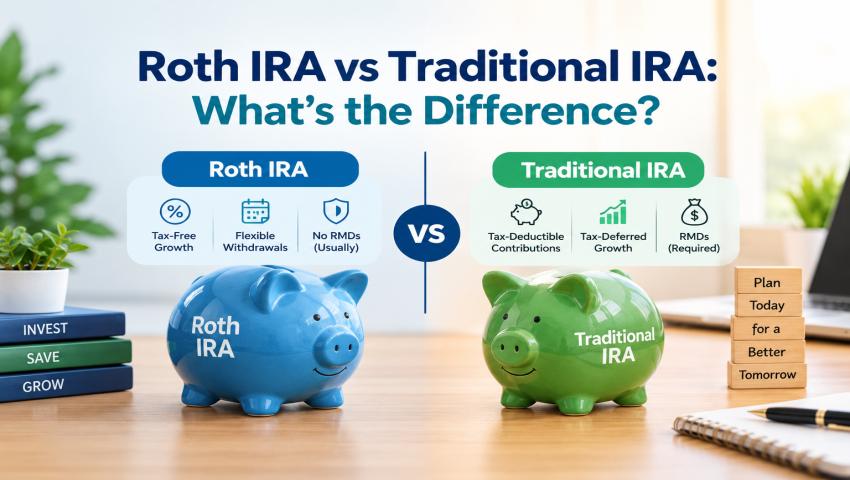
Roth IRA vs Traditional IRA: What’s the Difference?
IRA stands for Individual Retirement Arrangement, commonly called an Individual Retirement Account. It is a retirement account that individuals can open separately from an employer-sponsored retirement plan such as a 401(k).
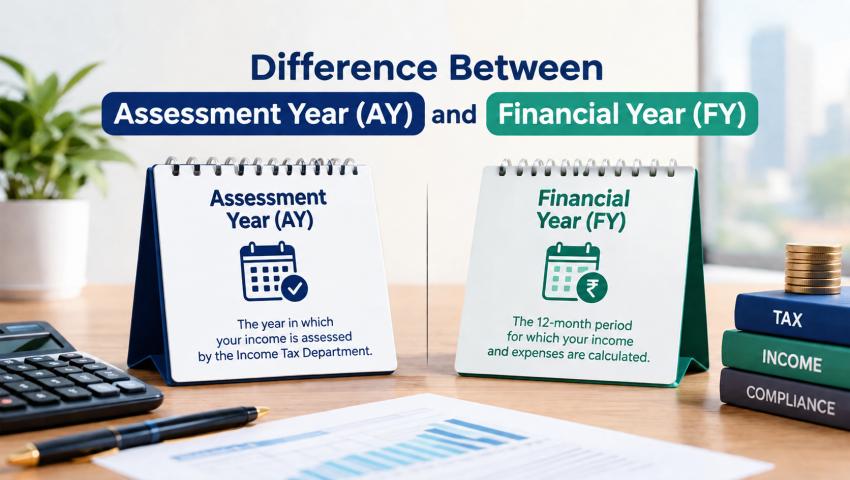
Difference Between Assessment Year (AY) and Financial Year (FY)Assessment Year (AY) vs Financial Year (FY)
A financial year in India is simply the 12-month period during which you earn your income. It starts from 1st April of one calendar year and ends on 31st March of the next calendar year.

CIBIL Score Check: How to Check Your Credit Score Online?
A CIBIL score is a three-digit number that reflects information from your credit history and repayment behaviour. Lenders may consider your credit score along with other factors when evaluating a loan or credit card application.
What Are the Types of GST Returns? A Simple Guide for Taxpayers
A GST return is a statement submitted on the GST portal that provides information about business transactions carried out during a particular tax period. Even if there is no business activity during a particular period, a registered taxpayer may still be required to file an applicable Nil GST return.

Section 10 of the Income Tax Act: Tax Exemptions, Allowances & How to Claim?
Section 10 income tax exemption refers to certain types of income that are excluded — fully or partly — while calculating your total taxable income. If an income falls under Section 10 of income tax, it either doesn't get taxed at all, or only the amount above a specified limit gets taxed.
Tax on Money Received From Parents, Spouse or Relatives in India: What You Need to Know?
Parents may transfer money to their children. A spouse may transfer funds to the other spouse. Grandparents may help grandchildren with education or property purchases.

Nominee vs Legal Heir in India: Who Gets Your Bank Account, Mutual Funds and Shares?
A nominee is a person registered by the account holder or investor to receive or claim an asset after the holder's death, subject to the rules applicable to that asset.
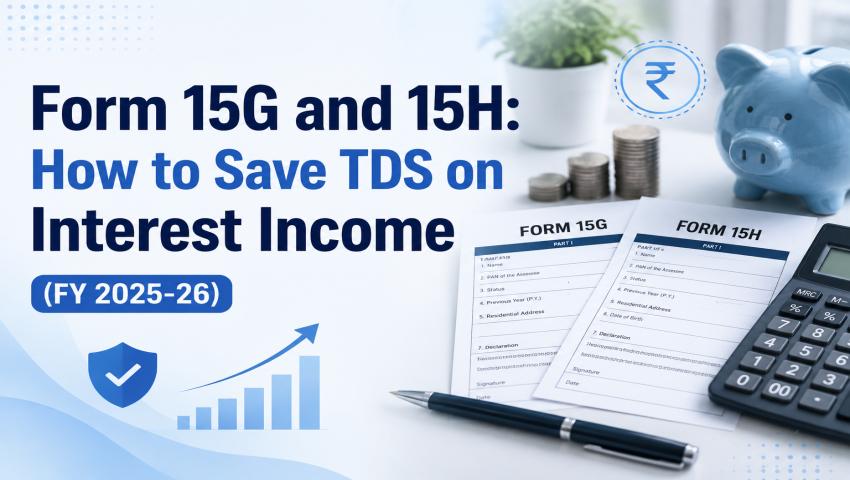
Form 15G and 15H: How to Save TDS on Interest Income?
Form 15g and form 15h are self-declaration forms under the Income Tax Act that let you inform banks, post offices, and other financial institutions that your total income for the year is below the taxable limit. Once submitted, these institutions will not deduct TDS on your interest income, insurance commission, EPF withdrawal, or other specified payments.