

Certificate of Deposit (CD): What Is It and How Does It Work?
Saving money is important, but keeping all your money in a regular checking account may not help it grow much. If you have money that you do not need immediately, a Certificate of Deposit (CD) can be another option to consider.
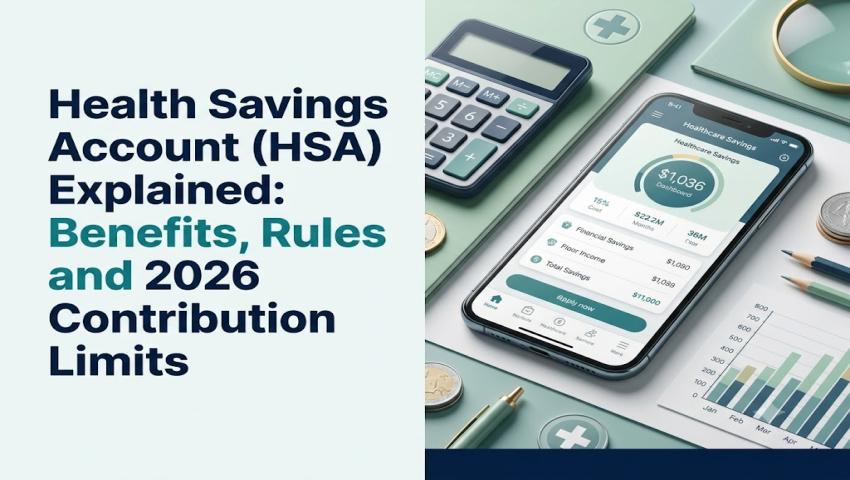
Health Savings Account (HSA) Explained: Benefits, Rules and 2026 Contribution Limits
A Health Savings Account is a tax-advantaged account designed to help eligible individuals pay qualified healthcare expenses. To contribute to an HSA, you generally need to be covered by an HSA-eligible High Deductible Health Plan, or HDHP, and meet other IRS eligibility requirements.
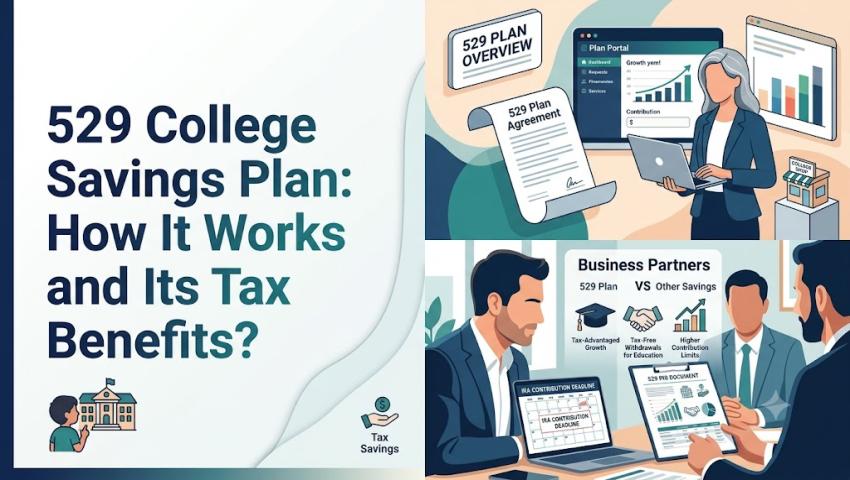
529 College Savings Plan: How It Works and Its Tax Benefits?
A 529 plan, officially known as a Qualified Tuition Program, is generally established and maintained by a state or state agency. It allows money to be contributed for the qualified education expenses of a designated beneficiary.

SEP IRA Explained: A Retirement Plan for Self-Employed Americans and Small-Business Owners
A SEP is a retirement plan that allows an employer to make contributions to traditional SEP-IRAs established for eligible employees. Self-employed people can also establish a SEP for themselves.
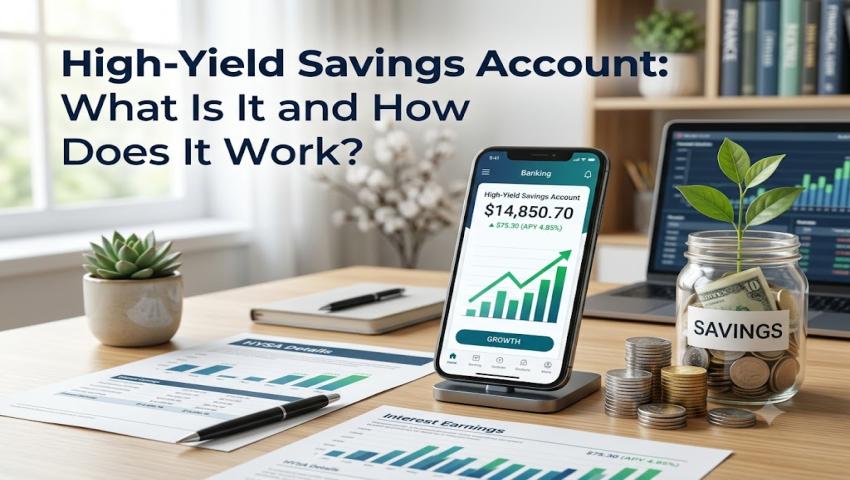
High-Yield Savings Account: What Is It and How Does It Work?
A high-yield savings account works much like a regular savings account. You deposit money with a bank or credit union, and the institution pays interest on your balance. The main difference is that an HYSA generally offers a more competitive Annual Percentage Yield, or APY.

Debt Snowball vs Debt Avalanche: Which Debt Payoff Method Should You Use?
The debt snowball method focuses on the smallest balance first, regardless of the interest rate. You make required payments on every debt and direct extra money toward your smallest balance.
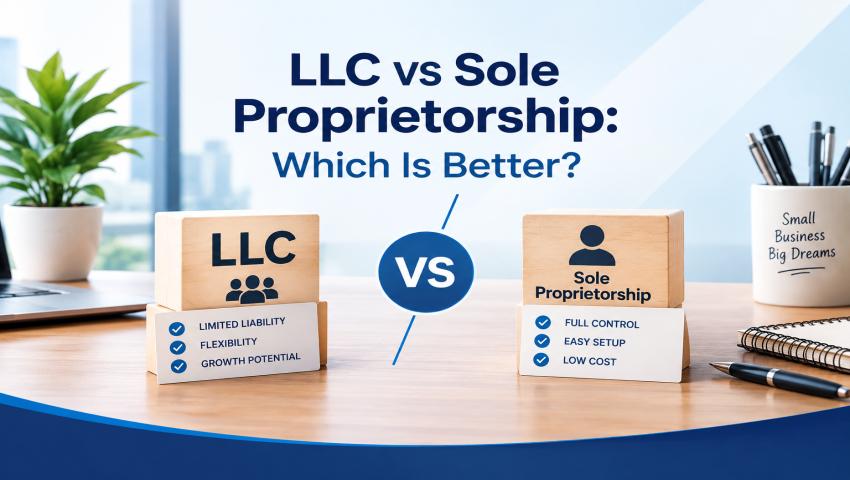
LLC vs Sole Proprietorship: Which Is Better?
A sole proprietorship is one of the simplest ways to operate a business in the United States. If you start conducting business by yourself without creating another formal business entity, you may generally be considered a sole proprietor.
How Does Capital Gains Tax Work in the USA?
Capital gains tax generally becomes relevant when you sell a capital asset for more than its adjusted basis. A capital gain generally occurs when you sell a capital asset for more than its adjusted basis.

Best Investment Options in the USA for Beginners
Stocks, ETFs, mutual funds, bonds, 401(k)s, IRAs, Treasury securities and other investment choices can make it difficult for a beginner to know where to start. The best investment option for you depends on your financial goal, time horizon, risk tolerance, income and how quickly you may need access to the money.

How to Start a Small Business in the USA?
Starting a small business in the USA can be exciting, but turning an idea into a legally operating business requires more than choosing a name and finding customers.