
What Are the Types of GST Returns? A Simple Guide for Taxpayers
A GST return is a statement submitted on the GST portal that provides information about business transactions carried out during a particular tax period. Even if there is no business activity during a particular period, a registered taxpayer may still be required to file an applicable Nil GST return.
What Is GST? Meaning, Types, Registration and Benefits Explained
GST stands for Goods and Services Tax. It is an indirect tax charged on the supply of taxable goods and services in India. GST is known as an indirect tax because the person who deposits the tax with the government may not be the person who ultimately bears its cost.
Input Tax Credit (ITC) Under GST: Simple Guide to Eligibility, Blocked Credits and Reversal
Input Tax Credit (ITC) is one of the most useful benefits of GST. It allows a registered business to reduce its GST liability by using the GST already paid on eligible business purchases.
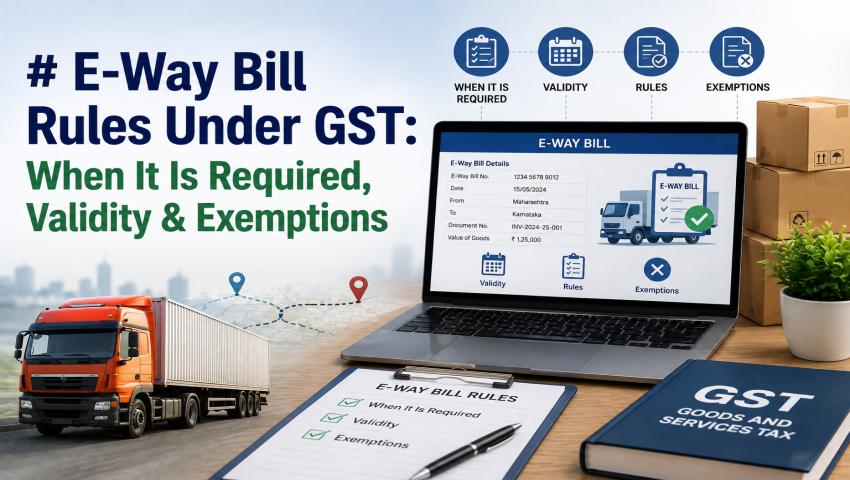
E-Way Bill Rules Under GST: When It Is Required, Validity & Exemptions?
An E-Way Bill is an electronic document used to track the movement of goods under GST. It is generated online in Form GST EWB-01. After generation, the system provides a unique 12-digit E-Way Bill Number (EBN).
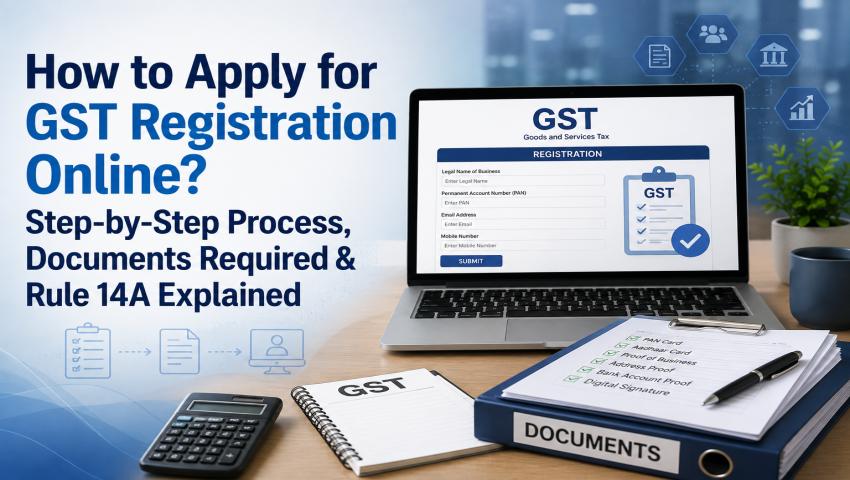
How to Apply for GST Registration Online? Step-by-Step Process, Documents Required & Rule 14A Explained
GST registration is done online through Form GST REG-01 on the official GST portal. In most cases, you don't need to visit the GST office. However, depending on your case, you may have to complete Aadhaar authentication, biometric verification, submit additional documents, or undergo physical verification.
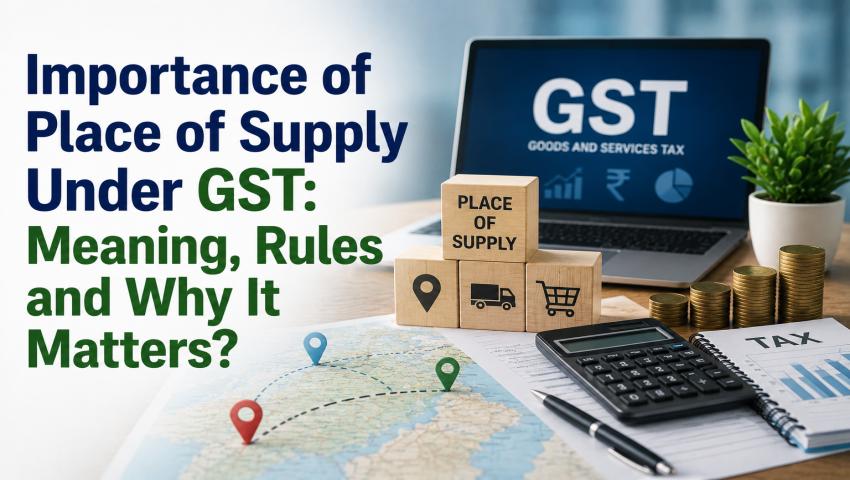
Importance of Place of Supply Under GST: Meaning, Rules and Why It Matters?
The place of supply is the location where goods or services are considered to have been supplied under the GST law. To decide which GST to charge, the place of supply is compared with the location of the supplier.
How AI and Automation are Transforming GST Compliance in India?
GST compliance in India is, by nature, heavy on data and process. Businesses deal with thousands of invoices, tight filing deadlines, and rules that keep changing through notifications and circulars. This creates common problems for taxpayers and accountants:
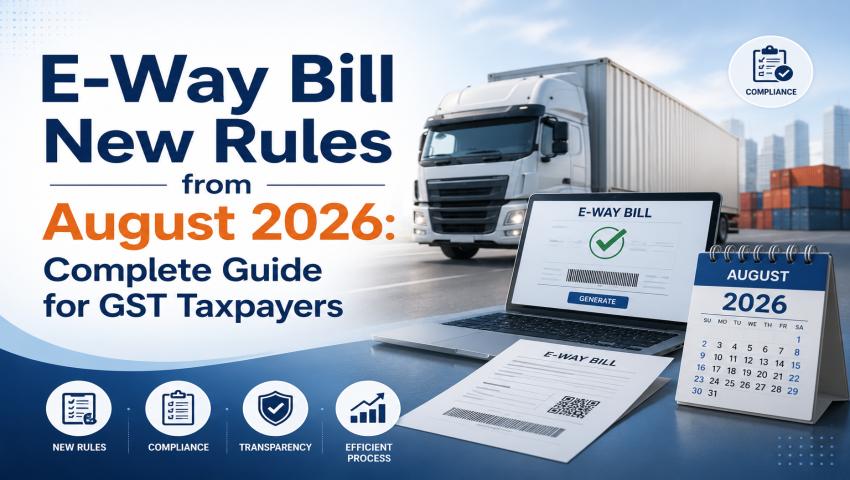
E-Way Bill New Rules from August 2026: Complete Guide for GST Taxpayers
An e-way bill (Electronic Way Bill) is a document you must generate on the GST portal before moving goods worth more than ₹50,000. It is compulsory under Rule 138 of the CGST Rules, 2017, and the government's power to seek it arises from Section 68 of the CGST Act, 2017.
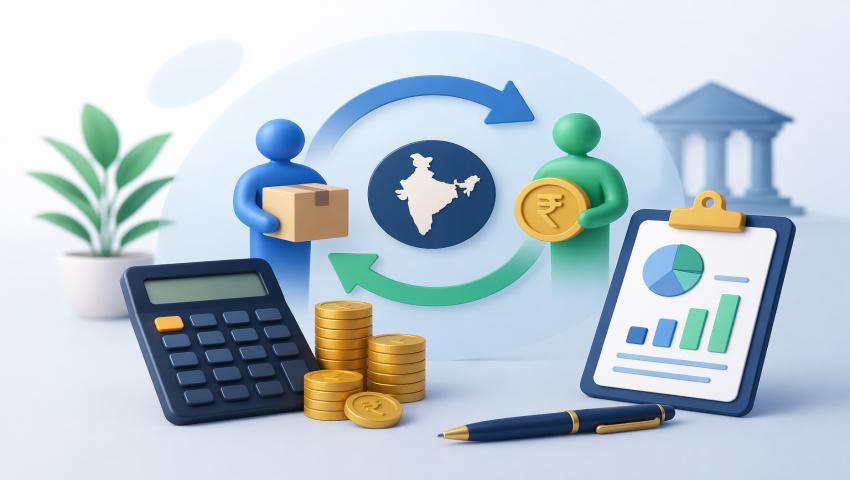
Reverse Charge Mechanism Explained: Meaning, Applicability, and Practical Impact under GST
Under GST, tax is usually paid by the supplier of goods or services. But in some cases, the responsibility shifts to the buyer. This is called the Reverse Charge Mechanism (RCM).
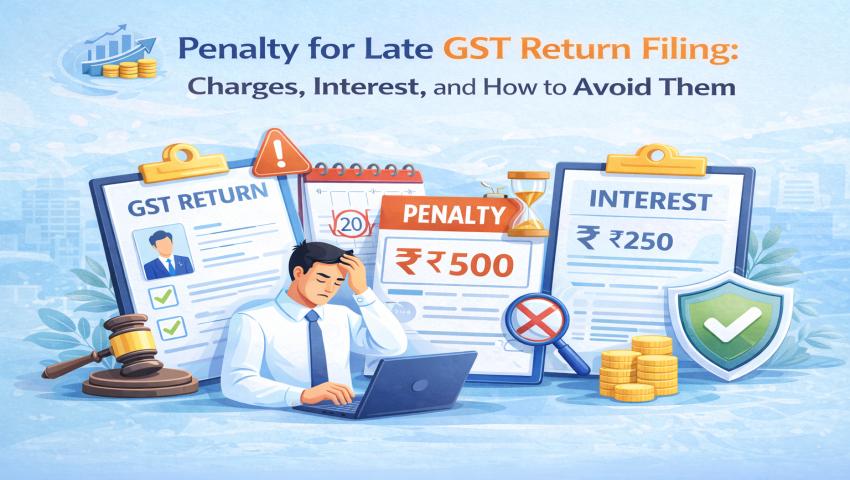
Penalty for Late GST Return Filing: Charges, Interest, and How to Avoid Them
Timely GST return filing is not just a compliance requirement—it directly impacts your business's cash flow, credibility, and smooth operations. Missing GST deadlines can result in late fees, interest, penalties, and even suspension of your GST registration.