- 09/04/2026
- MyFinanceGyan
- 16 Views
- 3 Likes
- Company Law
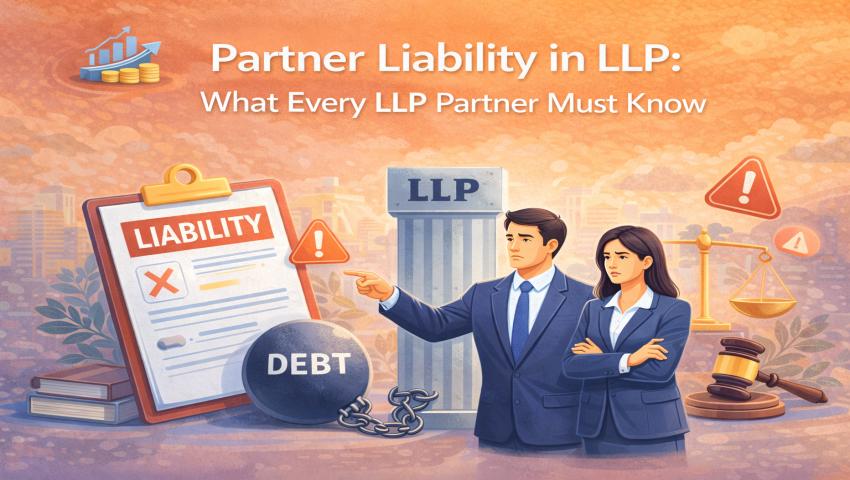
Partner Liability in LLP: What Every LLP Partner Must Know?
Limited Liability Partnerships (LLPs) have become a preferred business structure for professionals, startups, and small businesses in India. They combine the flexibility of a partnership with the advantage of limited liability, making them highly attractive for risk-conscious entrepreneurs.
However, many partners assume that “limited liability” means zero personal risk in all situations—which is not entirely true.
Understanding partner liability in an LLP is essential to avoid legal surprises, protect personal assets, and ensure smooth business operations. This article explains how partner liability works, where it is limited, and when it may extend beyond the business.
What Is an LLP and Why Liability Matters?
An LLP is a body corporate formed under the Limited Liability Partnership Act, 2008. It has a separate legal identity from its partners, meaning it can:
- Own property
- Enter into contracts
- Sue or be sued in its own name
The concept of liability is central to this structure. Unlike traditional partnerships, LLPs offer protection to partners—subject to certain conditions.
Meaning of Partner Liability in LLP:
Partner liability in an LLP refers to the extent to which a partner is responsible for:
- Debts and obligations of the LLP
- Acts of other partners
- Legal or financial losses
In general, a partner’s liability is limited to their agreed contribution, except in specific situations defined by law.
Limited Liability: The Core Advantage
The biggest benefit of an LLP is limited liability protection.
How It Works?
- Partners are not personally liable for LLP debts
- One partner is not responsible for another partner’s misconduct
- Personal assets are protected in normal situations
This makes LLPs ideal for professionals and businesses where risk exists but personal asset protection is important.
Liability for Acts of the LLP:
The LLP itself is liable for:
- Business contracts
- Operational debts
- Legal claims
Partners are not personally responsible unless they have given a personal guarantee.
Liability for Acts of Other Partners:
In an LLP:
- Each partner is an agent of the LLP
- A partner is NOT an agent of other partners
This means one partner’s wrongdoing does not automatically create personal liability for others—unless they were directly involved.
When Does Liability Become Unlimited?
Despite limited liability, there are situations where personal liability arises.
1. Fraudulent Acts
If a partner is involved in:
- Fraud
- Misrepresentation
- Dishonest conduct
Their liability becomes unlimited, and personal assets may be used.
2. Non-Compliance with Laws:
Failure to meet statutory requirements can lead to personal consequences.
Common Issues:
- Non-filing of annual returns
- Failure to submit financial statements
- Tax non-compliance
Consequences:
- Monetary penalties
- Personal liability for designated partners
Role and Liability of Designated Partners:
Every LLP must have at least two designated partners responsible for compliance.
Their Responsibilities:
- Filing statutory documents
- Maintaining records
- Communicating with authorities
Failure can result in:
- Personal penalties
- Legal action in serious cases
LLP vs Traditional Partnership:
This is why LLPs are preferred in modern business setups.
Personal Guarantees and Liability:
Limited liability does NOT apply when partners voluntarily accept personal risk.
Examples:
- Bank loan guarantees
- Signing contracts personally
- Personal indemnities
In such cases, partners become personally liable.
Tax Liability Considerations:
- LLP pays tax on profits
- Partners pay tax on income received (salary, interest, etc.)
- Non-compliance can lead to penalties affecting designated partners
Liability During Winding Up:
When an LLP is closed:
- Assets are used to repay liabilities
- Partners are liable only up to their contribution
- Personal assets remain protected (unless fraud is involved)
Importance of LLP Agreement:
The LLP Agreement plays a crucial role in defining liability.
Key Clauses:
- Capital contribution
- Profit sharing
- Roles and responsibilities
- Indemnity provisions
A well-drafted agreement reduces risk and prevents disputes.
Common Misconceptions:
Many partners misunderstand LLP protection:
- “LLP means zero risk”
- “Partners are never liable”
- “Compliance is optional”
In reality, liability is limited—but conditional.
Best Practices to Minimize Liability:
- Ensure timely compliance
- Avoid unnecessary personal guarantees
- Clearly define roles in agreements
- Maintain proper records
- Take professional advice
Why Professional Guidance Matters?
Expert guidance helps in:
- Drafting strong LLP agreements
- Ensuring compliance
- Identifying risks early
- Managing legal complexities
Final Thoughts:
Partner liability in an LLP is limited—but not absolute.
While LLPs protect partners from business risks and others’ actions, personal liability can arise in cases of:
- Fraud
- Non-compliance
- Personal guarantees
Understanding these aspects helps partners protect their personal assets while benefiting from a flexible business structure.
An LLP is a powerful tool—but it works best when used responsibly and with proper guidance.
Disclaimer:
The views in this article/blog are personal and intended solely for educational and awareness purposes. They do not constitute professional or legal advice and are not intended to recommend any specific product or service.