
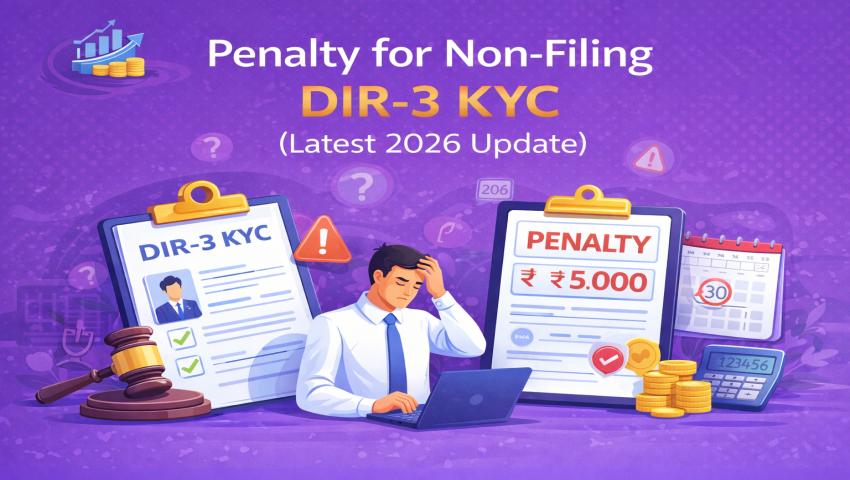
Penalty for Non-Filing DIR-3 KYC (Latest 2026 Update)
DIR-3 KYC is a mandatory annual (now triennial from 2026) compliance for all individuals holding a Director Identification Number (DIN).
Presumptive Taxation under Section 44AD: A Practical Guide for Small Businesses
Section 44AD of the Income Tax Act, 1961 allows eligible businesses to declare income at a fixed percentage of turnover instead of calculating actual profits.
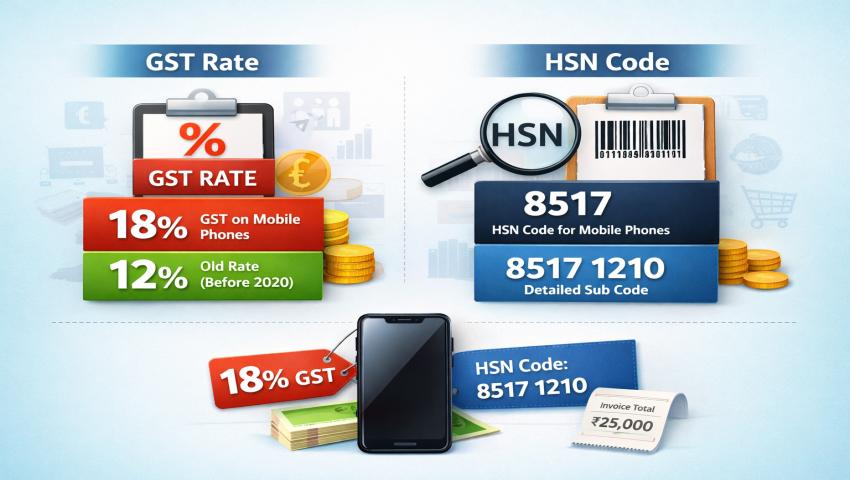
Mobile GST Rate and HSN Code Explained
GST, or Goods and Services Tax, is a single indirect tax that replaced multiple central and state taxes in India. When it comes to electronics, the gst on mobile phones is one of the most discussed topics because almost every citizen uses one.

MSME Classification Explained
MSME stands for Micro, Small, and Medium Enterprises. These are businesses involved in the production, manufacturing, processing, or preservation of goods and commodities, as well as those providing services. In India, the MSME sector contributes nearly 30% of the country's GDP and provides employment to over 11 crore people.

Legal Mistakes Startups Must Avoid A Practical Guide for Founders
Starting a business is an exciting journey filled with innovation, rapid growth, and new opportunities. However, while founders often focus on product development, fundraising, and customer acquisition, legal considerations are sometimes overlooked.

PAN Application Changes from 1 April 2026: Guide for Taxpayers
From 1 April 2026, the Government of India is introducing major changes in PAN application rules under the new income tax framework. These changes aim to improve transparency, reduce fraud, and strengthen identity verification.

Key changes which will come into force from 1 April 2026 in Income Tax
With effect from 1 April 2026, the Income Tax Act, 2025 (“ITA 2025”) will come into force, replacing the Income-tax Act, 1961 (“ITA 1961”). The new legislation introduces structural, conceptual and procedural changes across the direct tax framework.

Legal Entity Identifier (LEI) Explained Meaning, Importance, and Compliance Guide
A Legal Entity Identifier (LEI) is a unique 20-character alphanumeric code used to identify legally distinct entities participating in financial transactions. It acts as a global identification number for businesses, allowing regulators and counterparties to clearly determine the parties involved in a transaction.

How to Appoint a Director in a Company? Step-by-Step Legal Guide
Directors play a crucial role in shaping a company's strategy, governance, and compliance framework. Whether a business is expanding, bringing in specialized expertise, or fulfilling statutory requirements, appointing a director is an important corporate action. However, the process must strictly comply with the provisions of the Companies Act, 2013.

Importance of Legal Compliance for Businesses: Building Trust, Stability, and Sustainable Growth
Legal compliance refers to a company's commitment to following all laws, regulations, industry standards, and ethical practices that govern its operations.