- 22/05/2026
- Govind S. Jethani
- 1435 Views
- 3 Likes
- Investment
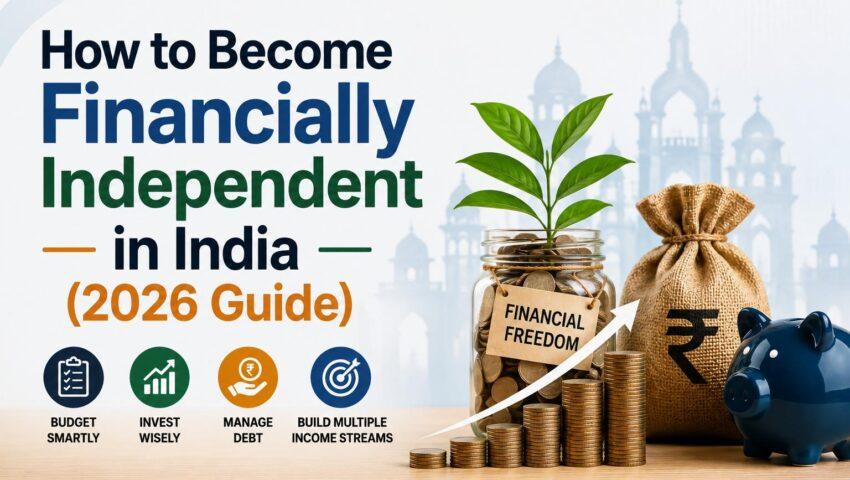
How to Become Financially Independent in India (2026 Guide)?
Financial independence is a goal that many people aspire to achieve, but only a few take consistent steps toward making it a reality. If you are wondering how to become financially independent, the answer lies in disciplined financial planning, smart investing, controlled spending, and long-term wealth creation.
Financial independence means reaching a stage where your investments, savings, and passive income are sufficient to cover your lifestyle expenses without depending entirely on active employment income.
In this comprehensive My Finance Gyan guide, we will break down the exact path to achieving financial freedom in India.
The good news is that you do not need to be extremely wealthy to begin your journey. Even with a modest salary, proper financial habits and consistency can help you build long-term financial freedom.
What Is Financial Independence?
Financial independence refers to having enough financial resources to support your lifestyle without relying solely on a monthly salary or active work income.
In simple words:
👉 Your money generates income for you instead of you constantly working for money.
This is usually achieved through disciplined saving, investing, and creating multiple sources of passive income.
Benefits of Financial Independence:
Achieving financial independence offers several long-term advantages, including:
- Freedom to choose your preferred lifestyle
- Reduced financial stress and anxiety
- Ability to retire early if desired
- Opportunity to pursue passion projects or entrepreneurship
- Better financial security for your family
- Greater flexibility during emergencies or career transitions
Financial independence is not only about wealth—it is also about peace of mind and financial control.
Key Principles to Become Financially Independent:
1. Spend Less Than You Earn:
The foundation of financial independence is maintaining a positive gap between income and expenses.
Controlling unnecessary spending allows you to save and invest more consistently.
2. Save Regularly:
Saving should become a habit rather than an occasional activity.
Even small monthly savings can create significant wealth over time through compounding.
3. Invest Smartly:
Simply saving money is often not enough to beat inflation.
Investing helps your money grow and create long-term wealth.
Popular investment options include:
4. Build Passive Income Sources:
Passive income helps generate money without continuous active effort.
Examples include:
- Dividend income
- Rental income
- Royalties
- Online businesses
- Investment returns
The more passive income streams you build, the faster you move toward financial independence.
5. Stay Disciplined and Patient:
Financial independence is a long-term journey that requires consistency and patience.
Regular investing and disciplined financial habits matter more than earning a very high salary initially.
Step-by-Step Guide to Become Financially Independent:
Step 1
Set Clear Financial Goals:
Start by defining your financial objectives clearly.
Ask yourself:
- At what age do you want financial freedom?
- What monthly income will you need?
- What kind of lifestyle do you want?
Clear goals help create a focused financial plan.
Step 2
Track Your Income and Expenses:
Understanding your spending habits is essential.
Use budgeting methods such as:
- The 50-30-20 rule
- Expense tracking apps
- Monthly budgeting sheets
This helps identify areas where you can save more effectively.
Step 3
Build an Emergency Fund:
Before aggressive investing, create an emergency fund covering at least 3 to 6 months of expenses.
This protects you during unexpected situations such as:
- Job loss
- Medical emergencies
- Business downturns
An emergency fund prevents unnecessary debt during difficult times.
Step 4
Start Investing Early:
Starting early gives your investments more time to grow through compounding.
Even small SIP investments can generate substantial wealth over the long term.
Common investment options include:
- Mutual fund SIPs
- Stocks
- ETFs
- Retirement-focused investment plans
Time in the market is often more important than timing the market.
Step 5
Diversify Your Investments:
Avoid investing all your money in a single asset class.
Diversification helps reduce risk and improve portfolio stability.
A balanced portfolio may include:
- Equity investments
- Debt instruments
- Gold
- Real estate
- Emergency cash reserves
Step 6
Increase Your Income:
While saving is important, increasing income accelerates financial independence.
You can explore:
- Freelancing opportunities
- Side businesses
- Skill upgrades
- Online income sources
- Consulting services
Higher income combined with disciplined investing creates faster wealth growth.
Step 7
Create Passive Income Streams:
Passive income is one of the strongest pillars of financial freedom.
Popular passive income sources include:
- Dividend-paying stocks
- Rental properties
- Digital products
- Content creation businesses
- Investment returns
Building multiple passive income streams improves long-term financial stability.
Step 8
Avoid High-Interest Debt:
Debt can significantly delay financial independence.
Avoid unnecessary liabilities such as:
- High-interest credit card debt
- Personal loans for lifestyle expenses
- Excessive EMI burdens
Focus on using debt responsibly and strategically.
Step 9
Review and Improve Your Financial Plan:
Financial planning is not a one-time activity.
Regularly review:
- Investment performance
- Savings rate
- Financial goals
- Risk profile
As your income and responsibilities grow, your financial strategy should evolve accordingly.
Real-Life Example:
Suppose an individual earns ₹40,000 per month and invests ₹8,000 consistently through SIPs in mutual funds.
Over a period of 15–20 years:
- The investment corpus can grow substantially due to compounding
- Regular investing creates long-term wealth
- Financial independence becomes achievable even with moderate income levels
The most important factors are consistency, patience, and disciplined investing.
Common Mistakes to Avoid:
Many people delay financial independence due to avoidable mistakes such as:
❌ Delaying investments
❌ Spending beyond income
❌ Ignoring financial planning
❌ Depending entirely on active income
❌ Lack of diversification
❌ Making emotional investment decisions
Avoiding these mistakes can significantly improve long-term financial outcomes.
Tips for Faster Financial Independence:
To accelerate your journey toward financial freedom:
✔️ Automate savings and SIP investments
✔️ Increase investment amounts gradually every year
✔️ Focus on long-term wealth creation instead of quick profits
✔️ Improve financial literacy regularly
✔️ Understand investment risks properly
✔️ Stay invested during market fluctuations
Consistency and disciplined behaviour are key to long-term success.
Importance of Passive Income:
Passive income plays a major role in achieving financial independence because it reduces dependence on active employment income.
Popular passive income sources include:
- Mutual fund returns
- Dividend income
- Rental income
- Digital assets and online businesses
- Royalties and licensing income
As passive income grows, financial freedom becomes more achievable.
Frequently Asked Questions (FAQs):
The timeline depends on factors such as income, savings rate, investments, expenses, and financial discipline.
Yes. Consistent saving, disciplined investing, and controlled expenses can help achieve financial independence even with a modest income.
Mutual funds, stocks, ETFs, retirement funds, and diversified long-term investments are commonly used for wealth creation.
A common recommendation is to save and invest at least 20–30% of your income regularly.
Yes. Passive income is one of the most effective ways to achieve and sustain financial independence.
Conclusion:
Learning how to become financially independent is one of the most valuable financial goals you can pursue. Financial freedom does not require an extremely high income—it requires the right mindset, disciplined habits, long-term investing, and smart financial decisions.
Start small, remain consistent, and focus on gradual progress. Over time, your savings, investments, and passive income can help you build lasting financial security and freedom.
Disclaimer: This article is for educational and informational purposes only and should not be considered financial or investment advice; readers should consult a qualified financial advisor before making investment decisions.