
What is Short Selling? A Simple and Detailed Guide for Traders and Investors
Short selling is a trading method that lets you earn money when a stock price goes down. Normally, investors buy a stock first and sell it later at a higher price. But in short selling, the process is reversed—you sell first and buy later.

What is Positional Trading? – A Simple and Detailed Guide
Positional trading is a popular trading method where traders hold stocks or other financial instruments for a long period—usually weeks, months, or even years.

What Are Angel Investors? — Definition, Features & Benefits
An Angel Investor is a wealthy individual who invests personal funds into early-stage startups in exchange for equity ownership or convertible debt.
What is a Contract for Difference (CFD) in Commodities? — Complete Guide
A Contract for Difference (CFD) is a financial agreement between a trader and a broker to exchange the difference in price of a commodity between the opening and closing of the contract.

What is a Deemed Prospectus? Definition, Key Features, and Significance
A Deemed Prospectus is not a separate document issued by a company. Instead, it is a legal concept under which certain documents

What Is a Forward Market? — Meaning, Mechanism, and Importance
A forward market is an over-the-counter (OTC) market where buyers and sellers agree to exchange an asset at a fixed price on a future date.

What is a Call Option? — Meaning, Working & Advantages
A Call Option gives the buyer the right (but not the obligation) to buy an underlying asset — such as a stock, commodity, or index — at a specific strike price before a specified expiry date.
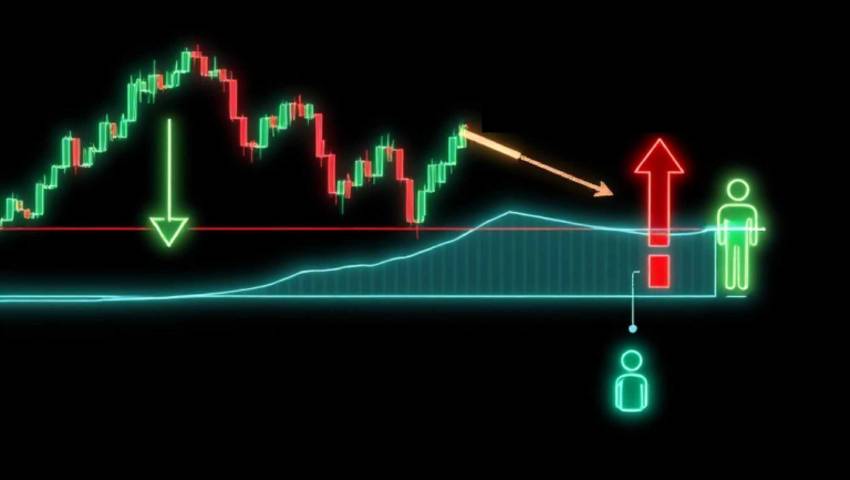
What Is a Put Option? — Meaning, Uses, and Benefits
In options trading, a Put Option acts as financial protection — a way to profit when prices fall or to insure existing holdings. Understanding how put options work helps investors hedge risks and capitalize on bearish trends without short-selling.
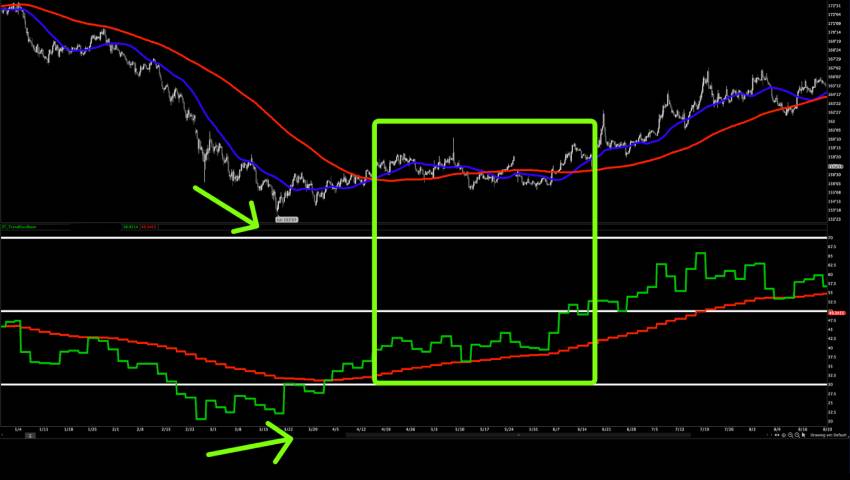
What Is an Oscillator Indicator in Trading? — Explained Simply
Oscillators are especially useful when markets are range-bound or volatile, helping traders identify turning points that might not be visible on price charts alone.

What is Fundamental Analysis? — Objectives and Step-by-Step Guide
Fundamental analysis is the process of determining a company's intrinsic value — the real worth of its shares based on business fundamentals rather than short-term price movements.