- 03/07/2026
- Govind S. Jethani
- 654 Views
- 1 Likes
- Finance, Investment
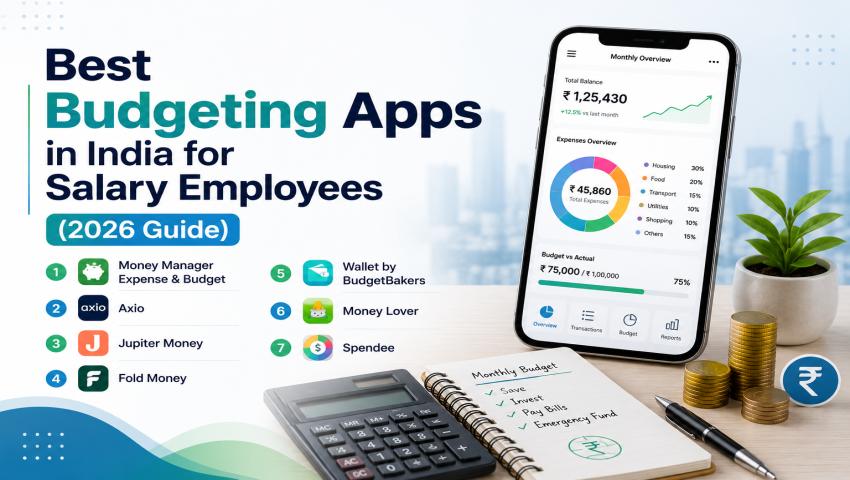
Best Budgeting Apps in India for Salary Employees
Managing your salary may seem easy, but many people struggle to keep track of where their money goes. Every month, your salary is credited to your bank account, and slowly the expenses begin. Rent, EMI, groceries, fuel, electricity bills, mobile recharge, insurance premiums, credit card bills, online shopping, food delivery, and entertainment can quickly reduce your bank balance.
Many salaried employees earn a good income but still find it difficult to save because they don’t track their spending. This is where Best budgeting apps can help. A budgeting app won’t make you rich overnight, but it can help you understand your spending habits. When you know where your money is going, you can make better financial decisions and save more.
In this guide by My finance Gyan, we’ll look at some of the best budgeting apps available in India and help you choose the one that suits your needs.
Why Do Salary Employees Need a Budgeting App?
Most salaried people have a fixed monthly income, but their expenses keep changing.
Some months you may have:
- Medical expenses
- Insurance premiums
- School fees
- Family functions
- Travel expenses
- Festival shopping
Without proper tracking, these unexpected costs can affect your savings.
A budgeting app helps you:
- Track your income and expenses
- Create monthly budgets
- Monitor spending by category
- Manage EMIs and credit card bills
- Set savings goals
- Avoid unnecessary spending
- Understand your monthly cash flow
For example, you may think you spend only ₹3,000 a month on food delivery. After tracking your expenses, you may discover that you actually spend ₹8,000 or even ₹10,000. Knowing the real numbers helps you make better financial decisions.
1. Money Manager Expense & Budget:
Money Manager is a good choice for people who like to manually record every expense.
It lets you:
- Record income and expenses
- Create budgets
- View reports
- Manage multiple accounts
This app is useful if you want to separate expenses like:
- Rent
- Groceries
- Fuel
- Shopping
- Medical bills
- Investments
- EMIs
The biggest advantage is that entering every expense makes you more aware of your spending. However, it requires discipline. If you forget to update your expenses regularly, the reports will not be accurate.
Best for: People who prefer detailed manual expense tracking.
2. Axio:
Axio is a good option if you want automatic expense tracking.
It helps you:
- Track digital transactions
- Categorize expenses
- Set spending limits
- Receive spending alerts
If you mostly use UPI, debit cards, credit cards, or online payments, Axio can automatically organize your expenses.
For example, it can show how much you spend each month on:
- Food delivery
- Online shopping
- Fuel
- Mobile recharge
- Subscriptions
This saves time because you don’t have to enter every transaction manually.
Best for: People who want automatic expense tracking.
3. Jupiter Money:
Jupiter is more than just a budgeting app. It combines digital banking with money management.
It helps you:
- Track bank accounts
- Categorize expenses
- Create budgets
- Manage your money in one place
You can also set spending limits for different categories like:
- Food
- Shopping
- Travel
- Entertainment
This helps you avoid overspending.
Best for: Salary employees who want banking and budgeting in one app.
4. Fold Money:
Fold offers a complete view of your finances.
It can track:
- Bank accounts
- Credit cards
- Investments
- Loans
- Credit score
- EPF
- NPS
- Fixed deposits
This is useful if you have money spread across different financial products. Instead of checking multiple apps, Fold lets you view everything in one place.
Before connecting your financial accounts, always understand the app’s privacy and security features.
Best for: People who want to manage their complete financial portfolio.
5. Wallet by BudgetBakers:
Wallet is a feature-rich budgeting app.
It offers:
- Budget planning
- Expense tracking
- Bank synchronization
- Cash flow reports
- Bill reminders
- Monthly reports
You can create separate budgets for:
- Groceries
- Rent
- Shopping
- Entertainment
- Transport
- Savings
Some advanced features may require a paid subscription.
Best for: Users who want detailed budgeting and financial planning.
6. Money Lover:
Money Lover is a simple and easy-to-use budgeting app.
It helps you manage:
- Expenses
- Budgets
- Bills
- Savings
- Loans
- Debts
One useful feature is bill reminders.
It can remind you about:
- Insurance premiums
- School fees
- Credit card payments
- Annual subscriptions
- Car servicing
This helps you avoid late payment charges.
Best for: Users who want simple budgeting with bill reminders.
7. Spendee:
Spendee offers a clean and user-friendly interface.
It helps you:
- Track income and expenses
- Create budgets
- Monitor cash flow
- Manage multiple wallets
One useful feature is shared budgeting.
For example, if both husband and wife contribute to household expenses, they can manage a common budget together.
Best for: Families and individuals who want shared budgeting.
Which Budgeting App Should You Choose?
There is no single app that is best for everyone. Choose an app based on your needs.
- Money Manager – Best for manual expense tracking.
- Axio – Best for automatic tracking.
- Jupiter – Best for banking and budgeting together.
- Fold – Best for managing your complete finances.
- Wallet – Best for detailed budgeting.
- Money Lover – Best for bill reminders.
- Spendee – Best for family budgeting.
The best budgeting app is the one you use regularly. Even the most advanced app will not help if you stop using it after a few days.
Features to Look for in a Budgeting App:
Before downloading any budgeting app, check whether it offers these features.
1. Easy Expense Tracking:
The app should be simple to use. If tracking expenses takes too much effort, you may stop using it.
2. Budget Categories:
You should be able to create separate budgets for:
- Rent
- Groceries
- Fuel
- Shopping
- Entertainment
- Medical expenses
- Travel
This helps you identify where you are spending too much.
3. Bill and EMI Reminders:
Missing a credit card payment or EMI can result in penalties and may affect your credit score. A good budgeting app should remind you before the due date.
4. Bank or SMS Tracking:
Some people prefer automatic tracking through bank accounts or SMS, while others prefer entering expenses manually. Choose the option that matches your comfort level.
If you connect your bank account, make sure the app follows proper security and privacy standards.
5. Reports and Monthly Summary:
Monthly reports help you understand:
- Total income
- Total expenses
- Savings
- Highest spending category
These reports make it easier to improve your financial habits.
6. Savings Goals:
A good budgeting app should help you save for goals like:
- Emergency fund
- Vacation
- New phone
- Car
- Home
- Investments
Saving becomes easier when you have a clear goal.
Simple Budgeting Tips for Salary Employees:
A budgeting app is only a tool. Good financial habits are equally important.
When you receive your salary?
- First, keep money aside for rent, EMI, groceries, insurance, and bills.
- Next, invest or save a fixed amount.
- Spend the remaining money on your lifestyle.
A simple budget could look like this:
- 50% for essential expenses
- 20% for savings and investments
- 20% for lifestyle expenses
- 10% for emergency savings or extra loan repayment
You can adjust these percentages based on your income and responsibilities.
Common Mistakes to Avoid:
Many people download budgeting apps but never see results because they:
- Forget to record cash expenses.
- Ignore credit card spending.
- Set unrealistic budgets.
- Stop using the app after a few weeks.
- Track expenses but never reduce unnecessary spending.
- Use too many budgeting apps at the same time.
The best approach is to choose one app and use it consistently for at least three months.
Final Thoughts:
Budgeting apps can help salaried employees manage money more effectively.
They make it easier to:
- Track expenses
- Control unnecessary spending
- Manage bills
- Avoid late payment charges
- Increase savings
Apps like Money Manager, Axio, Jupiter, Fold, Wallet, Money Lover, and Spendee all have different strengths. Choose the one that matches your financial habits. Remember, no budgeting app can improve your finances on its own.
The app only shows you where your money is going. You need to take action by reducing unnecessary expenses, saving regularly, and following your budget. Start tracking your expenses today. Small improvements in your spending habits can lead to better savings and greater financial security over time.
Disclaimer:
The views expressed in this article are personal to the author and are shared only for educational and awareness purposes. This content is not intended to provide financial advice or recommend any specific product or service. Readers should evaluate their own financial needs before making any decisions.