
- 05/09/2026
- Govind S. Jethani
- 282 Views
- 3 Likes
- Tax
CIBIL Score Check: How to Check Your Credit Score Online?
Have you ever applied for a home loan, personal loan or credit card and wondered why the bank asked about your CIBIL score? Your credit score can play an important role when lenders evaluate your credit application. A CIBIL score check helps you understand your credit profile and gives you an idea of how lenders may view your borrowing and repayment history. In this blog, My Finance Gyan will explain what a CIBIL score is, how to check your CIBIL score online, what a good credit score means and simple steps that may help you improve your credit profile.
What Is a CIBIL Score?
A CIBIL score is a three-digit number that reflects information from your credit history and repayment behaviour. Lenders may consider your credit score along with other factors when evaluating a loan or credit card application. Your credit score is generally based on information related to your borrowing history, repayment record and other credit-related details available in your credit report. A higher score does not guarantee loan approval, but maintaining a healthy credit profile may improve your chances of getting suitable credit terms, depending on the lender’s policies.
Why Should You Check Your CIBIL Score?
Checking your credit score can help you understand your current financial position before applying for a loan or credit card. It can help you identify possible issues in your credit report, understand your repayment history and take steps to improve your credit behaviour if required. Regularly reviewing your credit information can also help you notice any incorrect or unfamiliar entries that may need to be checked further.
How to Check Your CIBIL Score Online?
You can check your CIBIL score online through authorised credit information channels or platforms that provide access to your credit report and score. Generally, you may need to provide basic personal information and complete the required verification process. After verification, you may be able to view your credit score and related credit information. Always use a trusted and secure platform when sharing personal and financial details.
What Is Considered a Good CIBIL Score?
Credit scores are generally used to help lenders assess credit risk, but different lenders may have their own eligibility criteria. In simple terms, a higher credit score is generally viewed more positively than a lower score. However, your income, existing loans, repayment capacity and other factors may also be considered during the loan approval process. Instead of focusing only on one number, try to build a strong overall credit history through responsible borrowing and timely repayment.
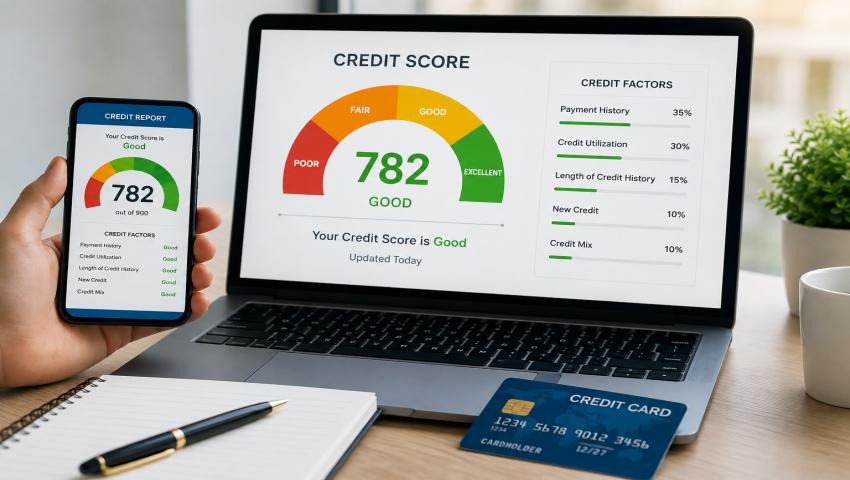
What Factors Can Affect Your Credit Score?
Your credit score may be influenced by several factors related to your credit behaviour.
- Payment History: Paying EMIs and credit card bills on time can help maintain a positive repayment record.
- Credit Utilisation: Using a very high portion of your available credit limit may indicate higher dependence on credit.
- Credit History: A longer and well-managed credit history can provide useful information about your repayment behaviour.
- Multiple Credit Applications: Applying for several loans or credit cards within a short period may result in multiple credit enquiries.
- Outstanding Debt: High outstanding balances and difficulty in repayment can negatively affect your credit profile.
How to Improve Your CIBIL Score?
Improving a credit score usually takes time and consistent financial discipline. There is no guaranteed shortcut for an instant improvement.
- Pay Your EMIs and Bills on Time: Timely payments are one of the most important habits for maintaining a healthy credit profile.
- Keep Credit Card Usage Under Control: Avoid regularly using your entire available credit limit.
- Avoid Unnecessary Loan Applications: Apply for credit when you genuinely need it and avoid making too many applications within a short period.
- Review Your Credit Report: Check your report for incorrect information and follow the appropriate process to raise a dispute if you find an error.
Does Checking Your CIBIL Score Reduce It?
Many people worry that checking their own credit score will reduce it. In general, checking your own credit information is different from a lender reviewing your credit report as part of a credit application. However, credit enquiries and their impact can depend on the type of enquiry and reporting practices. If you are applying for multiple loans or credit cards, it is wise to avoid unnecessary applications.
CIBIL Score and Loan Approval:
Your credit score is one of the factors that lenders may consider when reviewing a loan application. A lender may also check your income, employment or business stability, existing EMIs, repayment capacity and other eligibility requirements. Therefore, even a good credit score does not guarantee approval. Similarly, a lower score does not always mean that credit is impossible, as each lender may have different policies and assessment criteria.
CIBIL Score and Credit Card Approval:
Credit card issuers may also review your credit profile before approving a new credit card. Your existing credit accounts, repayment history, and income may be considered along with other factors. If you already have credit cards, using them responsibly and paying the full or required amount on time can help you maintain good financial habits. To understand this connection better, learn how credit cards affect your CIBIL score and how smart usage can work in your favor.
How Often Should You Check Your Credit Score?
You can review your credit information periodically, especially before applying for a major loan such as a home loan. Checking your credit report can help you stay aware of your credit position and identify potential errors early. The important thing is to use trusted platforms and protect your personal information.
Simple Tips to Maintain a Healthy Credit Score:
- Pay all EMIs and credit card bills on time.
- Keep your credit utilisation under control.
- Avoid taking unnecessary loans.
- Do not apply for multiple credit products without a genuine need.
- Review your credit report periodically.
- Maintain a healthy balance between your income, expenses and debt.
A CIBIL score check is a simple but important step in managing your financial health. Knowing your credit score can help you understand your credit position before applying for a home loan, personal loan or credit card. The best way to build a healthy credit profile is to borrow responsibly, pay your EMIs and bills on time and avoid taking unnecessary debt. Review your credit information regularly and take action if you find incorrect details. Remember, a good credit score is built over time through consistent financial discipline.
Frequently Asked Questions About CIBIL Score Check:
You can check your CIBIL score online through authorised channels or trusted platforms that provide credit score and credit report access.
Checking your own credit information is generally different from a lender’s credit enquiry. However, the impact of enquiries can depend on the type of enquiry and credit reporting practices.
There is no single score that guarantees approval. Lenders may consider your credit score along with income, existing debt and other eligibility factors.
Focus on timely payments, responsible credit usage, avoiding unnecessary credit applications and checking your credit report for errors.
It depends on your credit history and financial behaviour. Consistent responsible repayment habits may help improve your credit profile over time.
Loan approval depends on the lender’s policies and your overall financial profile. A lower score may affect your options or loan terms.