- 05/05/2026
- Govind S. Jethani
- 442 Views
- 3 Likes
- Company Law
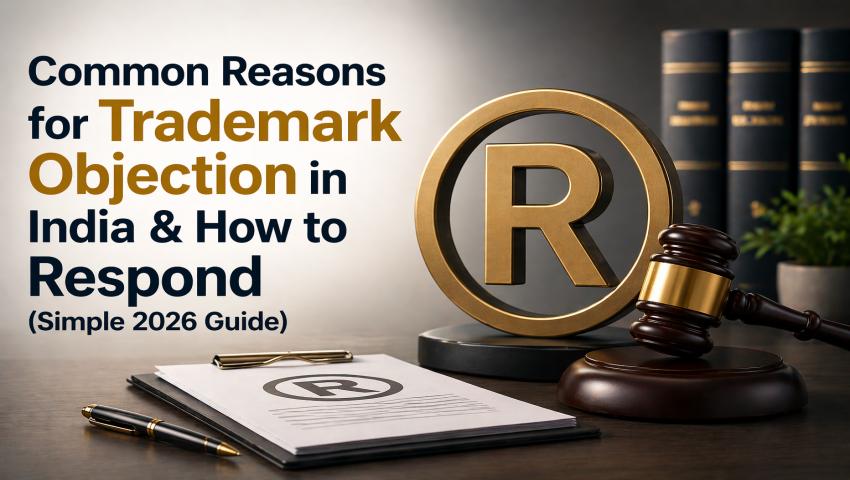
Common Reasons for Trademark Objection in India & How to Respond (Simple 2026 Guide)
If you have applied for a trademark in India and received an objection, don’t worry.
Trademark objections are very common And they can be handled properly. Many applications get objections during the review stage. The important thing is to understand the reason and reply correctly.
Based on the guide from My Finance Gyan, here are the most common reasons for trademark objections and how to address them:
What is a Trademark Objection?
A trademark objection is raised by the examiner when your application does not meet certain legal rules under the Trade Marks Act, 1999.
👉 Important:
- Objection does NOT mean rejection
- It is a chance to explain and defend your trademark
When Does an Objection Happen?
After you apply:
- Your application is reviewed
- The examiner checks legal requirements
- If there are issues → objection is raised
Main Legal Reasons for Objection:
Section 9 – Absolute Grounds:
Related to:
- Non-unique (not distinctive) marks
- Descriptive names
- Generic words
Section 11 – Relative Grounds
Related to:
- Similarity with existing trademarks
- Chances of confusion
Common Reasons for Trademark Objection:
1. Lack of Distinctiveness (Section 9):
- Problem: Your brand name is too common or not unique
- Example: “Best Quality Rice”, “Fresh Milk”
- How to Respond: Show that people recognize your brand
- Provide proof like:
- Sales records
- Advertisements
- Website or online presence
2. Descriptive Trademark:
- Problem: Your name directly describes the product
- Example: “Cold Ice Cream”, “Fast Delivery Service”
- How to Respond:
- Explain that the name is suggestive, not direct
- Show that it has gained a unique identity
3. Generic Terms:
- Problem: Using very common words
- Example: “Sugar” for a sugar business
- How to Respond: Hard to defend
- Best option: Modify your brand name
4. Similar to Existing Trademark (Section 11):
- Problem: Your name is similar to another registered brand
- Example: “QuickKart” vs “KwikKart”
How to Respond:
Show differences in:
- Spelling
- Sound
- Meaning
Also explain:
- Different business type
- Different customers
5. Phonetic Similarity:
- Problem: Names sound similar even if spelled differently
- Example: “Lite” vs “Light”
- How to Respond: Highlight visual and market differences
6. Use of Common Words:
- Problem: Using words like:
- “Super”
- “Premium”
- How to Respond: Show that your full name is unique as a combination
7. Misleading or Deceptive Marks:
- Problem: Your name may mislead customers
- Example: Using “Organic” without proof
- How to Respond:
- Provide valid proof
- Explain the actual meaning
8. Offensive or Restricted Words:
Problem:
Includes:
- Religious terms
- Offensive words
How to Respond: Usually cannot be defended
Change the name
9. Wrong Trademark Class:
- Problem: Applied under the wrong category
- How to Respond: File again in the correct class
10. Use of Government Symbols:
Problem:
Using:
- National flag
- Government logos
How to Respond:
👉 Not allowed
Change your trademark, register new trademark
How to Respond to Trademark Objection?
Step-by-Step Process…
Step 1: Read the report carefully
Understand the reason and section
Step 2: Prepare your reply
Include:
- Explanation
- Legal points
- Justification
Step 3: Attach proof
- Invoices
- Ads
- Website screenshots
Step 4: Submit reply
👉 Ideally within 30 days
Step 5: Attend hearing (if needed)
Structure of Reply:
- Application details
- Background of your brand
- Point-wise reply
- Supporting documents
- Final request for approval
Example Reply (Simple):
👉 For similarity issue:
“The applied trademark is different in appearance, sound, and meaning from the existing mark. Also, the business type and customers are different, so there is no confusion.”
Common Mistakes to Avoid:
❌ Copy-paste replies
❌ No supporting documents
❌ Late submission
❌ Ignoring key points
What Happens After You Reply?
✔ Accepted → Goes for publication
✔ Hearing → More clarification needed
❌ Rejected → Application refused
Timeline:
- Examination report issued
- Reply within ~30 days
- Hearing (if needed)
- Final decision
Can You Avoid Objections?
Yes, by:
- Choosing a unique name
- Doing proper trademark search
- Selecting correct class
- Filing correctly
Real Example:
Case: “Fresh Milk”
- Objection raised (not distinctive)
- Seller provided proof of usage
👉 Result: Approved after hearing
Objection vs Opposition:
Conclusion:
Trademark objections are a normal part of the process.
- Don’t panic
- Understand the issue
- Respond properly
A strong reply can help you get approval.
Final Advice:
- Stay calm
- Analyze the objection
- Give a proper reply with proof
👉 A well-prepared response can turn an objection into approval
FAQs:
Yes, but expert help is better
Application will be abandoned
Yes, with proper response