- 04/07/2026
- Govind S. Jethani
- 340 Views
- 2 Likes
- Company Law
Who Can Apply for a Trademark in India? Eligibility Explained
In today’s competitive business world, your brand is one of your most valuable assets. Whether you are starting a new business, working as a freelancer, or running an established company, protecting your brand with a trademark is an important step.
A common question many people ask is:
- Who can apply for a trademark in India?
- Are there any eligibility rules?
The good news is that trademark registration in India is open to almost everyone. This guide by My Finance Gyan explains who can apply, the different types of applicants, required documents, and important points you should know before filing a trademark application.
What is a Trademark?
A trademark is a unique identity that helps customers recognize your business. It can be:
- Brand name
- Logo
- Tagline
- Symbol
- Word or phrase
A registered trademark gives you:
- Exclusive rights to use your brand
- Legal protection against unauthorized use
- Strong brand recognition
Trademark registration in pune is governed by the Trade Marks Act, 1999.
Who Can Apply for a Trademark in India?
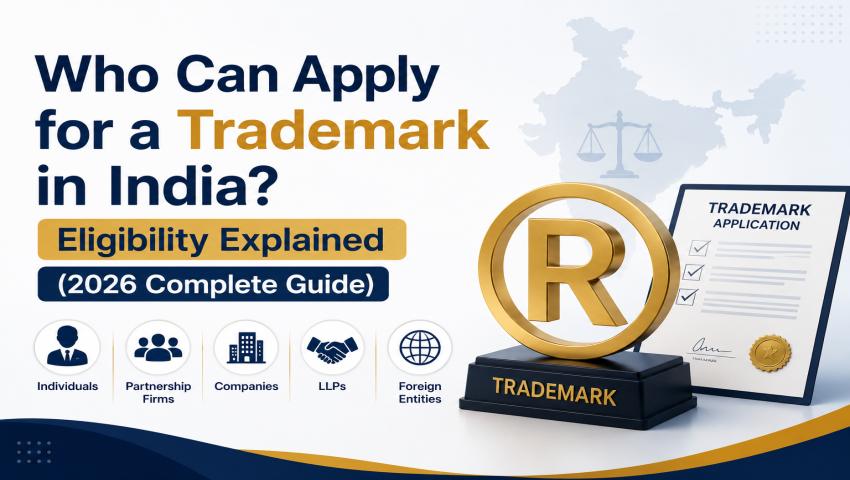
The law allows any person or legal entity claiming ownership of a trademark to apply for registration.
This includes:
- Individuals
- Sole proprietors
- Partnership firms
- Limited Liability Partnerships (LLPs)
- Private Limited Companies
- One Person Companies (OPCs)
- Trusts and NGOs
- Foreign individuals and companies
- Joint applicants
Let’s understand each category.
1. Individuals:
Any individual can apply for a trademark, even if they do not have a registered business.
This is suitable for:
- Freelancers
- Consultants
- Influencers
- Content creators
- Designers
- Professionals like Chartered Accountants, Company Secretaries, and Lawyers
Example: If you offer digital marketing services under the name BrandBoost, you can register the trademark in your own name.
Benefit: Individuals and eligible startups/MSMEs may pay a lower government filing fee.
2. Sole Proprietors:
A sole proprietorship is owned by one person. Although it is not a separate legal entity, the owner can apply for a trademark. The application is filed in the name of the proprietor, not just the business name.
Example:
- Applicant: Rahul Sharma
- Business Name: Rahul Enterprises
3. Partnership Firms:
A partnership firm can also register a trademark.
The application should include:
- Name of the partnership firm
- Names of all partners
Example:
Applicant: ABC Traders (Partnership Firm) If partners change in the future, ownership records may also need to be updated.
4. Limited Liability Partnerships (LLPs):
An LLP is a separate legal entity. It can own a trademark in its own name.
Example: Applicant: XYZ Solutions LLP
Benefits:
- Trademark belongs to the LLP
- Ownership does not depend on individual partners
- Suitable for growing businesses
5. Private Limited Companies:
Private Limited Companies commonly apply for trademarks. The trademark is owned by the company itself.
Example:
Applicant: ABC Technologies Private Limited
If you plan to grow your startup or raise investment, it is usually better to register the trademark in the company’s name.
6. One Person Company (OPC):
A One Person Company can also apply for trademark registration.
Example:
Applicant: XYZ Innovations OPC Private Limited
This option is useful for solo entrepreneurs who want a corporate business structure.
7. Trusts and NGOs:
Trusts, societies, educational institutions, and non-profit organizations are also eligible.
Examples:
- Educational institutions
- Charitable trusts
- Foundations
- NGOs
Example Applicant: Helping Hands Foundation
8. Foreign Individuals and Companies:
Foreign citizens and overseas companies can also register trademarks in India. This is useful for businesses planning to enter the Indian market.
Generally, they need:
- Proper application documents
- An address for service in India
9. Joint Applicants:
Two or more people or businesses can jointly apply for a trademark.
Example: Two co-founders starting a new clothing brand together. It is always advisable to clearly define ownership rights to avoid future disputes.
Can You Apply Before Starting a Business?
Yes.
You do not have to start your business before filing a trademark application. You can apply on a “Proposed to be Used” basis.
This helps you:
- Secure your brand name early
- Prevent others from registering it first
Basic Eligibility for Trademark Registration:
Although many people can apply, the trademark itself must meet certain conditions.
- You Must Claim Ownership: The applicant should be the owner or intended owner of the trademark.
- The Trademark Should Be Unique: It should clearly identify your goods or services.
- It Should Not Be Similar to an Existing Trademark: A similar registered trademark may lead to objections or refusal.
- The Trademark Should Not Be Prohibited:
It should not be:- Offensive
- Misleading
- Generic
- Deceptive
Documents Required:
1. For Individuals:
- PAN Card
- Aadhaar Card
- Address Proof
2. For Companies and LLPs
- Certificate of Incorporation
- PAN of the company
- Address Proof
3. For Partnership Firms:
- Partnership Deed
- Details of all partners
4. For MSMEs and Startups:
- Udyam Registration Certificate (if applicable for fee benefits)
Choosing the Right Owner is Important:
Selecting the correct applicant is very important.
Scenario 1: Founder Applies Personally
The trademark belongs to the individual. If the business is sold or converted into a company later, ownership transfer may be required.
Scenario 2: Company Applies
The trademark belongs to the company. This is usually better for business expansion, funding, and future investments.
Best Practice: If you plan to build a long-term business, consider registering the trademark in the company’s name.
Common Mistakes:
Avoid these common errors:
- Filing in the wrong name
- Providing incorrect applicant details
- Ignoring ownership structure
- Not updating ownership after business changes
These mistakes can create legal and business problems later.
Trademark Classes:
Trademark eligibility is not limited by business type. However, choosing the correct class is important.
India follows 45 trademark classes:
- Classes 1 to 34 – Goods
- Classes 35 to 45 – Services
Your trademark protection applies only to the class or classes you choose.
Rights After Filing a Trademark:
Once your application is filed:
- You can use the ™
- Your application gets a filing date and priority over later applicants.
- You can take legal action in certain situations if someone copies your brand.
After registration:
- You can use the ®
- You receive full legal protection under the Trade Marks Act.
Trademark Registration Timeline:
The usual process is:
- Application Filing – Immediate acknowledgement
- Examination – Around 1 to 3 months
- Publication – About 4 months
- Registration – Usually 6 to 24 months, depending on objections or opposition
Practical Examples:
Example 1: Ravi starts a YouTube channel called “TechWorld.”
He can apply as an individual.
Example 2: A software startup registers its trademark in the company’s name.
This helps during fundraising.
Example 3: Two partners start a clothing business together.
They apply as a partnership firm.
Frequently Asked Questions:
Yes. If the student owns or plans to use the brand, they can apply.
No. GST registration is not mandatory for trademark registration.
Yes. You can apply in more than one class by paying separate government fees.
Yes, but only through the legal process of assignment or transfer.
Why is Choosing the Right Applicant Important?
Choosing the correct applicant helps ensure:
- Proper ownership
- Easier business expansion
- Smooth fundraising
- Better legal protection
- Easy transfer of ownership in the future
Making the wrong choice can create complications later.
Conclusion:
Trademark registration in India is available to a wide range of applicants, including individuals, startups, companies, LLPs, partnership firms, trusts, NGOs, and even foreign businesses. The Trade Marks Act, 1999 allows anyone who owns or intends to own a unique trademark to apply for registration.
However, selecting the correct applicant is just as important as filing the application itself. It ensures clear ownership, protects your brand, and supports future business growth.
Whether you are:
- A freelancer building a personal brand
- A startup planning to grow
- A company expanding into new markets
Understanding who can apply for a trademark in India will help you protect your business and avoid future legal issues.
Disclaimer:
The views expressed in this article are personal to the author and are shared for educational and awareness purposes only. This content is not intended to provide legal advice or recommend any product or service. Readers should consult a qualified professional for advice specific to their situation.