- 22/06/2026
- Govind S. Jethani
- 407 Views
- 2 Likes
- Company Law
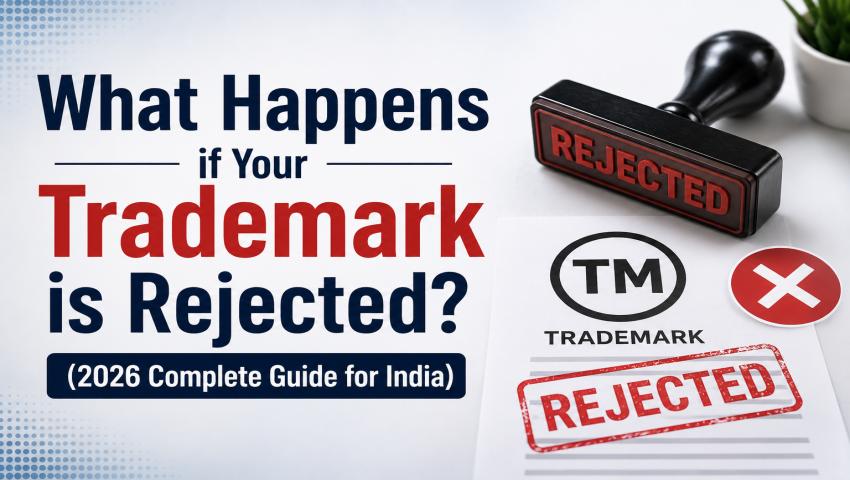
What Happens if Your Trademark is Rejected?
Filing a trademark application is a big step toward protecting your brand. But seeing your application status change to “Refused” can bring immediate panic. Does it mean the end of your brand name? Do you have to change your business identity overnight?
The short answer is no. A trademark rejection is a major speedbump, but it is not always the end of the road. In this guide by My Finance Gyan, we break down how you still have multiple legal remedies and strategic options under the Trade Marks Act, 1999, to salvage your brand or pivot safely.
Rejection vs. Objection: Know the Difference
It is important not to confuse a temporary hurdle with a final decision:
- Trademark Objection: A temporary issue raised by the examiner early on (in an Examination Report). You just need to reply to it.
- Trademark Rejection (Refusal): A formal, final decision made by the Registrar after they have reviewed your reply or conducted a show-cause hearing and still found your application lacking.
Top Reasons Trademarks Get Rejected in India:
- Lack of Distinctiveness (Section 9): Your brand name is too generic or descriptive. Calling a dairy brand “Best Milk” will get rejected because it describes the product rather than naming a unique brand.
- Similarity to an Existing Mark (Section 11): Your mark looks, sounds, or means the same thing as a brand that is already registered or filed before yours (e.g., trying to register “Zomatoo”).
- Weak Defenses: Submitting a poorly drafted reply to an initial objection or failing to show solid proof of how long you have been using the mark.
- Missing Deadlines: Failing to respond to an official examination report or failing to file a counter-statement to a third-party opposition within the strict legal timelines.
Your Legal Options After a Rejection:
Path A: File a Review Petition (The Fastest Option)
If you think the Registrar made a minor oversight or missed a crucial piece of evidence you submitted, you can ask them to review their own decision.
- Timeline: Must be filed within 30 days from the date of the refusal order.
- Best For: Quick, low-cost course corrections when you have clear facts to point out.
Path B: Appeal to the High Court (The Stronger Legal Route)
Note: Following the abolition of the Intellectual Property Appellate Board (IPAB), all trademark appeals are now handled directly by the commercial division of the respective state High Courts.
- Timeline: Must be filed within 3 months from the refusal date.
- Best For: High-value brands with strong legal arguments who believe the Registrar’s decision was legally incorrect. This route involves higher professional legal fees.
Path C: Re-File with a Modification (The Practical Pivot)
If the rejection was due to a heavy conflict with a similar name, trying to fight it might be a waste of time. The smartest business move is often to slightly modify the name or logo and submit a fresh application.
- Timeline: Can be done immediately.
- Best For: Startups and young businesses that want to avoid prolonged legal battles and secure clean protection quickly.
Comparison of Your Options:
Step-by-Step Action Plan After a Refusal:
Step 1
Get the written Refusal Order:
Do not guess why you were rejected. Download the formal order from the IP India portal to read the exact legal grounds used by the officer.
Step 2
Check the dates:
The clock starts ticking immediately. You have 30 days for a review and 3 months for an appeal. Missing these dates closes those legal doors permanently.
Step 3
Evaluate your brand equity:
Ask yourself: How much have I spent marketing this exact name? If you are a young startup, changing a letter or adding a unique prefix/suffix to re-file is usually cheaper than hiring high court lawyers.
Step 4
Consult a Trademark Attorney:
Drafting a review petition or a High Court appeal requires specific legal phrasing and case precedents. Do not self-file at this stage.
Summary FAQ:
You can technically use it as an un-registered brand claim, but doing so is risky if your rejection was because your name infringes on an existing registered trademark.
No. Government application fees are non-refundable. Re-filing requires paying the statutory fees again.
If they file for it first, yes. This is why you must act quickly to either appeal or re-file a modified version to protect your market space.
Conclusion:
A trademark rejection is disappointing, but even global giants have had applications turned down at first. Take it as a turning point to clean up your brand identity. Review the order, measure the costs of fighting versus adapting, and secure your intellectual property with a sharper, legally sound strategy.
Disclaimer: This guide is intended for educational and awareness purposes and does not substitute for professional legal advice.