

Documents Required for Trademark Registration in India (Simple 2026 Guide)
Registering a trademark is one of the most important steps to protect your brand in India. But many applications get delayed or rejected because of wrong or incomplete documents.

How Long Does Trademark Registration Take in India? (Simple 2026 Guide)
If you're planning to register a trademark in India, you might be confused by different timelines.

What is a Trademark in India? Complete Beginner’s Guide (2026)
A trademark is a unique sign, word, logo, design, or symbol that helps people identify your business and differentiate it from others.

Trademark Registration in India – Process, Fees, Documents & Timeline (2026 Complete Guide)
A trademark is something that makes your business different from others.
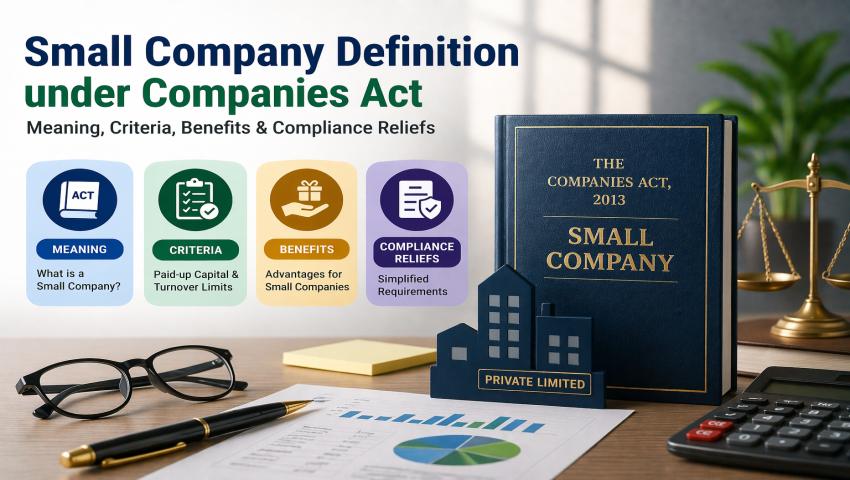
Small Company Definition under Companies Act: Meaning, Criteria, Benefits & Compliance Reliefs
A Small Company is a type of private limited company defined under Section 2(85) of the Companies Act, 2013. It is classified based on its capital and turnover.

Producer Company – Registration & Benefits: A Simple Guide for Farmers and Agribusinesses
India has a large number of people working in agriculture. However, many farmers face problems like low bargaining power, poor market access, and lack of financial support. To solve these issues, the concept of a Producer Company was introduced under the Companies Act.

Shareholders Agreement Explained: Meaning, Importance, and Key Clauses
A Shareholders Agreement is a private contract between the shareholders of a company. It defines their rights, duties, and responsibilities, and explains how the company will be managed.
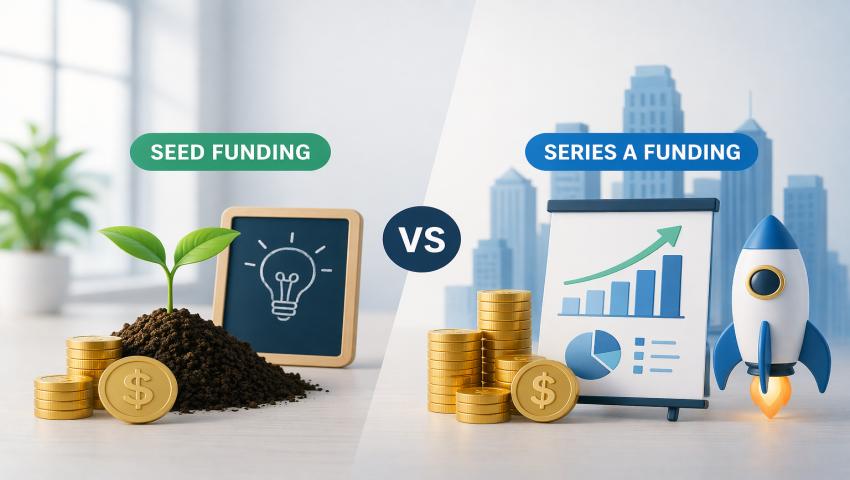
Seed Funding vs Series A Funding: Key Differences Every Founder Should Understand
Seed funding is usually the first official funding round of a startup. It helps the business get started and grow in the early stage.
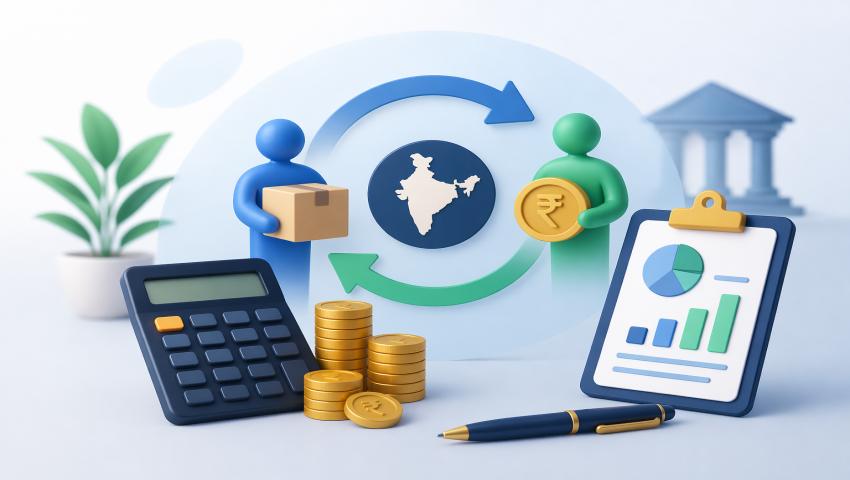
Reverse Charge Mechanism Explained: Meaning, Applicability, and Practical Impact under GST
Under GST, tax is usually paid by the supplier of goods or services. But in some cases, the responsibility shifts to the buyer. This is called the Reverse Charge Mechanism (RCM).
Startup Valuation Methods: A Practical Guide for Founders & Investors
Startup valuation refers to the process of determining the economic worth of a startup at a specific point in time. It reflects how much investors are willing to pay for a stake in the business, based on expected growth, risks, and market potential.