
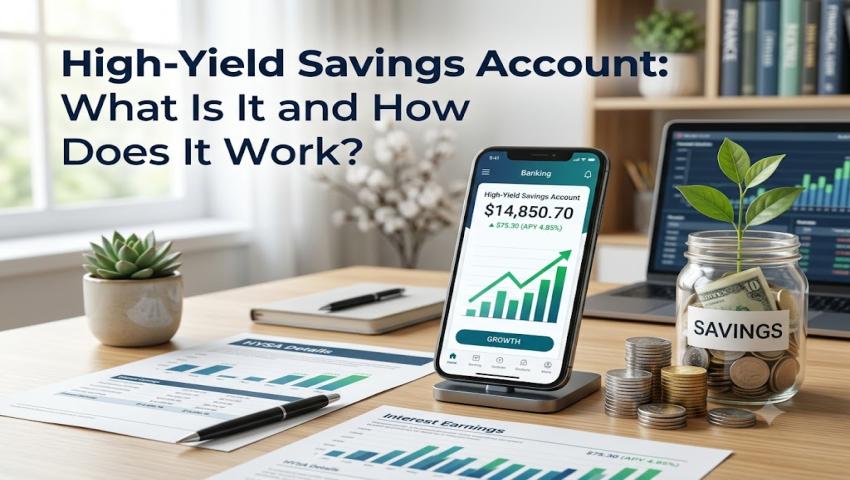
High-Yield Savings Account: What Is It and How Does It Work?
A high-yield savings account works much like a regular savings account. You deposit money with a bank or credit union, and the institution pays interest on your balance. The main difference is that an HYSA generally offers a more competitive Annual Percentage Yield, or APY.

Best Investment Options in the USA for Beginners
Stocks, ETFs, mutual funds, bonds, 401(k)s, IRAs, Treasury securities and other investment choices can make it difficult for a beginner to know where to start. The best investment option for you depends on your financial goal, time horizon, risk tolerance, income and how quickly you may need access to the money.

How to Start a Small Business in the USA?
Starting a small business in the USA can be exciting, but turning an idea into a legally operating business requires more than choosing a name and finding customers.
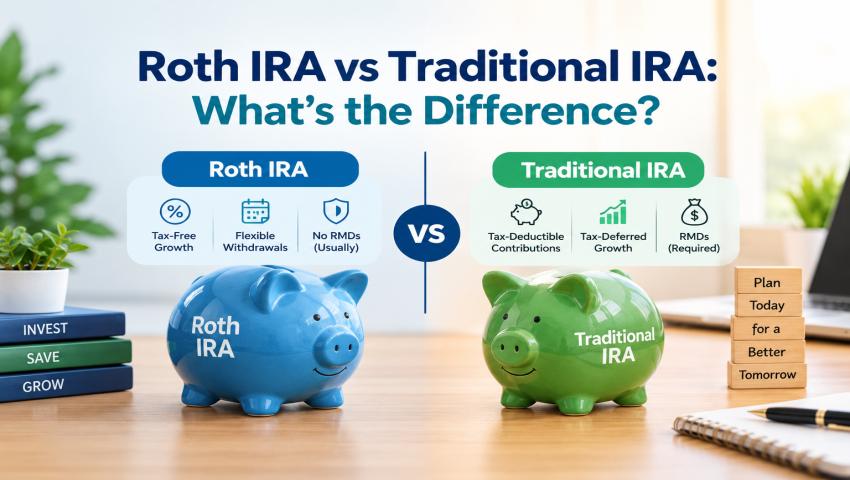
Roth IRA vs Traditional IRA: What’s the Difference?
IRA stands for Individual Retirement Arrangement, commonly called an Individual Retirement Account. It is a retirement account that individuals can open separately from an employer-sponsored retirement plan such as a 401(k).
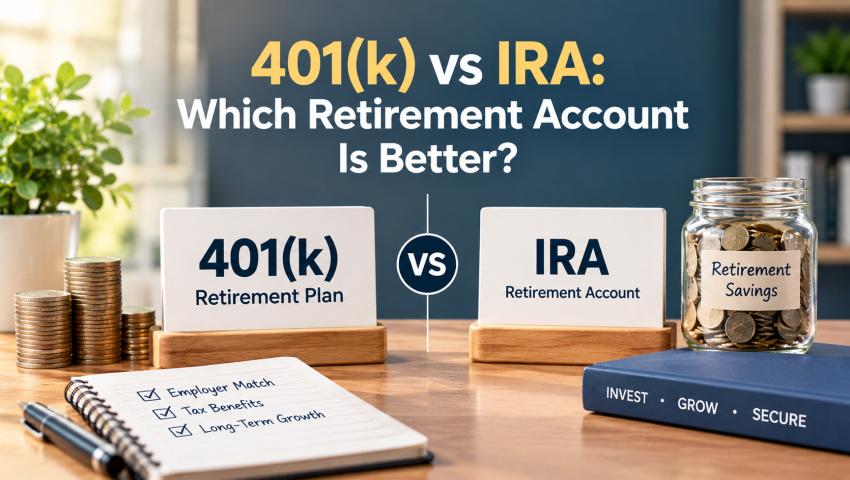
401(k) vs IRA: Which Retirement Account Is Better?
A 401(k) is an employer-sponsored retirement savings plan. If your company offers one, you can generally contribute money from your paycheck into the account and invest those contributions. Many employers also offer a company match. For example, an employer may match a percentage of what you contribute, subject to the plan's rules and limits.
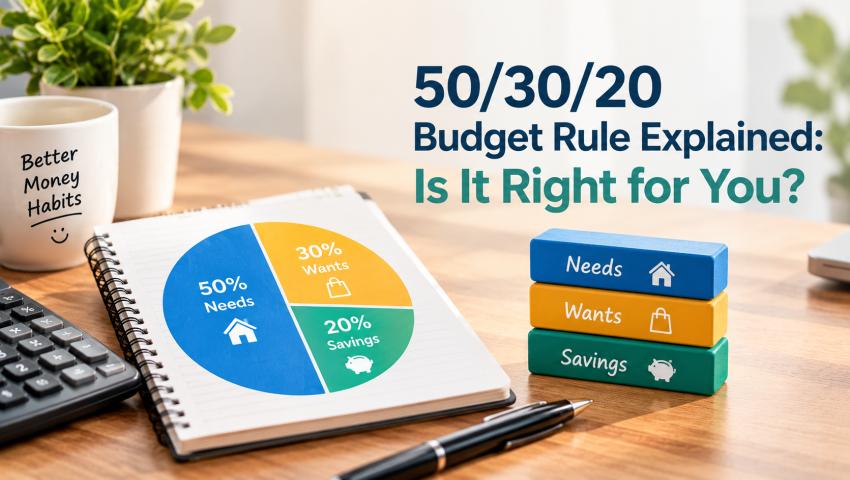
50/30/20 Budget Rule Explained: Is It Right for You?
One popular approach is the 50/30/20 budget rule. It divides your after-tax income into three broad categories: needs, wants and savings or debt repayment.

How to Improve Your Credit Score in the USA?
A credit score is a number calculated using information from your credit reports. There is not just one credit score because different scoring models can use different information and calculations. Most credit scores fall within a range of 300 to 850.

How to Start Investing in the USA? A Beginner’s Guide
Investing can be one of the most effective ways to build long-term wealth, but getting started can feel confusing if you are new to the financial markets. With thousands of stocks, mutual funds, ETFs, retirement accounts and investment platforms available in the USA, beginners often wonder where to start.

Best Ways to Save Money in the USA: 15 Practical Strategies to Build Your Savings
Saving money can be challenging, especially when everyday expenses such as housing, groceries, transportation, insurance, and healthcare continue to increase. However, saving does not necessarily mean giving up everything you enjoy. A few consistent financial habits can help you reduce unnecessary expenses, build an emergency fund, and work toward long-term financial goals.
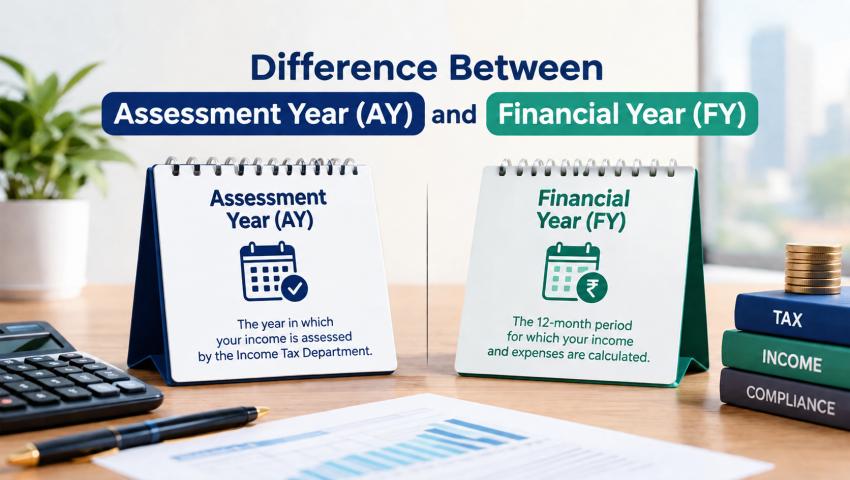
Difference Between Assessment Year (AY) and Financial Year (FY)Assessment Year (AY) vs Financial Year (FY)
A financial year in India is simply the 12-month period during which you earn your income. It starts from 1st April of one calendar year and ends on 31st March of the next calendar year.