

What Happens to a Home Loan After the Borrower Dies? Rules for Family, Co-Borrowers and Heirs
The outcome depends on several factors, including whether there is a co-borrower, whether the loan has credit life insurance, the ownership of the property, the estate of the deceased borrower and the terms of the loan agreement.

Nominee vs Legal Heir in India: Who Gets Your Bank Account, Mutual Funds and Shares?
A nominee is a person registered by the account holder or investor to receive or claim an asset after the holder's death, subject to the rules applicable to that asset.
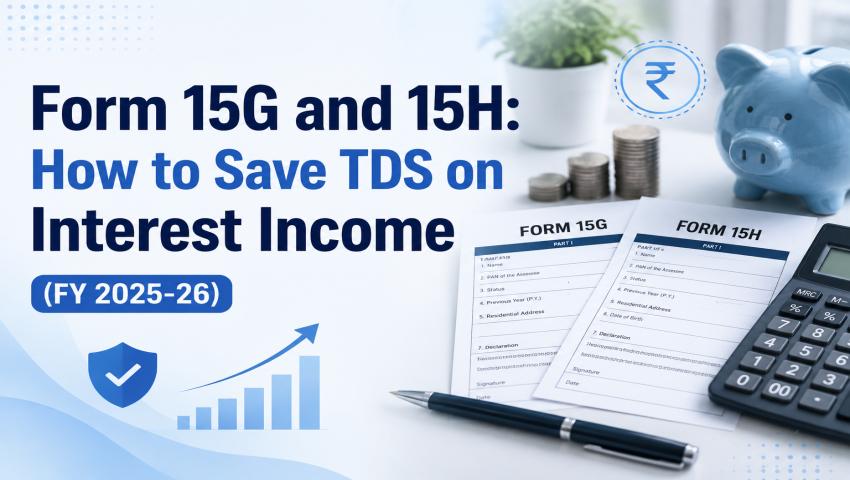
Form 15G and 15H: How to Save TDS on Interest Income?
Form 15g and form 15h are self-declaration forms under the Income Tax Act that let you inform banks, post offices, and other financial institutions that your total income for the year is below the taxable limit. Once submitted, these institutions will not deduct TDS on your interest income, insurance commission, EPF withdrawal, or other specified payments.
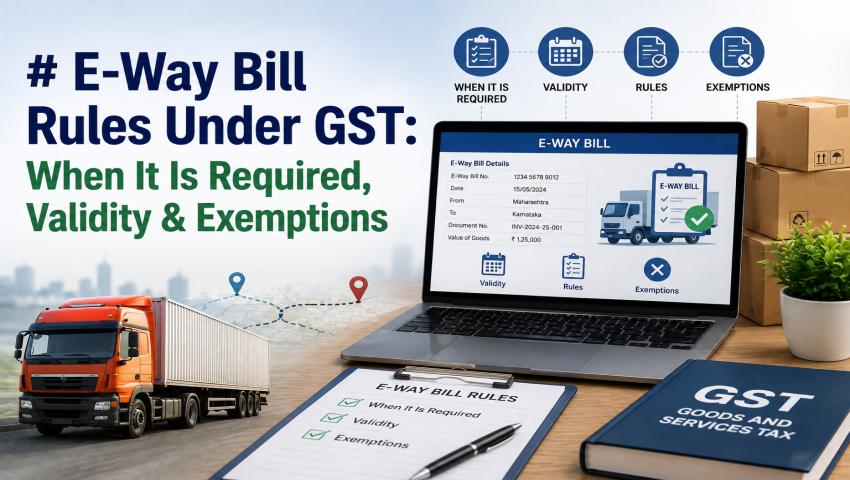
E-Way Bill Rules Under GST: When It Is Required, Validity & Exemptions?
An E-Way Bill is an electronic document used to track the movement of goods under GST. It is generated online in Form GST EWB-01. After generation, the system provides a unique 12-digit E-Way Bill Number (EBN).

Fixed Deposit vs Debt Mutual Fund: Which Investment Option Is Right for You?
A Fixed Deposit offers a predetermined interest rate for a fixed tenure, giving investors clarity about expected returns. A Debt Mutual Fund, on the other hand, invests in government securities, corporate bonds, treasury bills, and other debt instruments. Its returns are market-linked and can fluctuate depending on interest rates, credit quality, and overall market conditions.
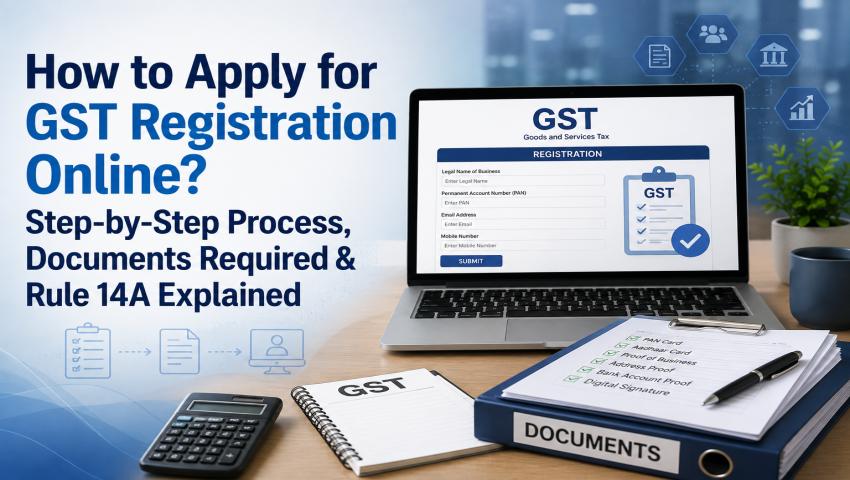
How to Apply for GST Registration Online? Step-by-Step Process, Documents Required & Rule 14A Explained
GST registration is done online through Form GST REG-01 on the official GST portal. In most cases, you don't need to visit the GST office. However, depending on your case, you may have to complete Aadhaar authentication, biometric verification, submit additional documents, or undergo physical verification.
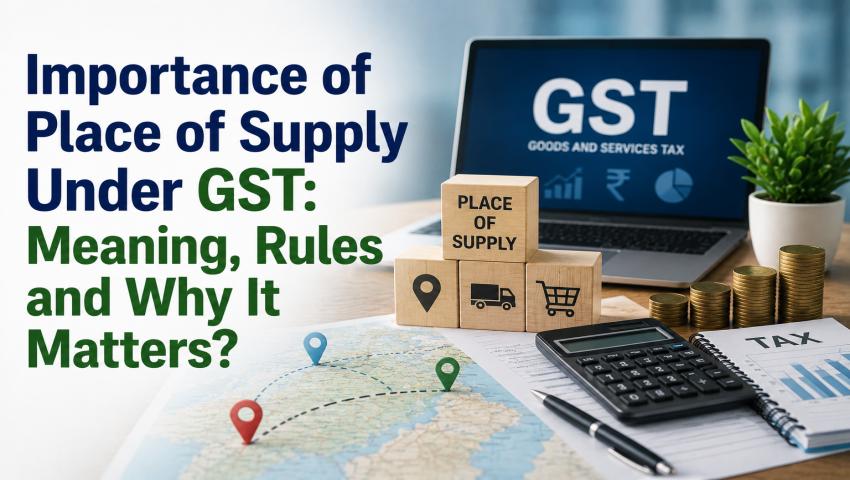
Importance of Place of Supply Under GST: Meaning, Rules and Why It Matters?
The place of supply is the location where goods or services are considered to have been supplied under the GST law. To decide which GST to charge, the place of supply is compared with the location of the supplier.
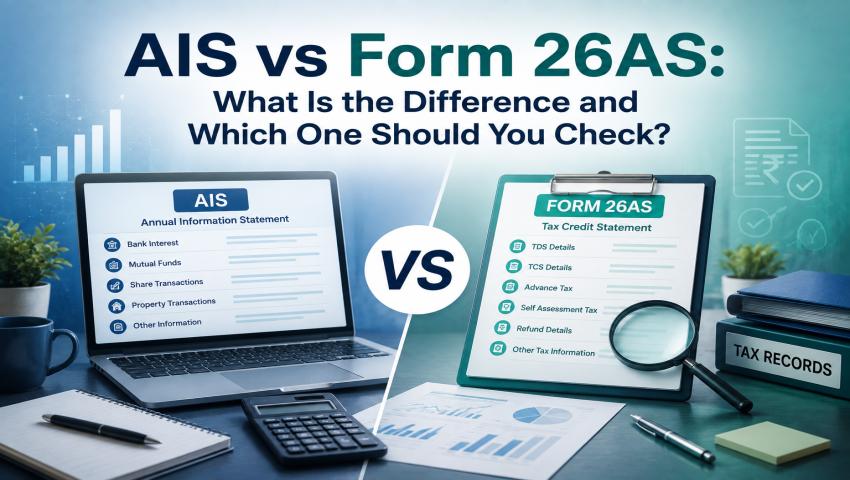
AIS vs Form 26AS: What Is the Difference and Which One Should You Check?
Form 26AS helps you confirm whether tax deducted or collected by your employer, bank, tenant, property buyer or another person has been correctly reported against your PAN. AIS may not contain every transaction related to you. You are still responsible for reporting your complete and correct income, even when some information is missing from AIS.

Appointment of a Company Secretary: Legal Requirement, Process and Penalties
A qualified Company Secretary helps the Board follow the Companies Act, maintain statutory records, conduct meetings properly and complete legal filings on time.

Appointment of an Independent Director: Rules, Eligibility and Compliance Process
The person is not involved in the company's daily management and should not have financial, personal or professional relationships that could affect independent decision-making.